Frieze London 2026

A Day at Frieze London

One of the things I appreciate most about art fairs is the opportunity to encounter so many different artistic perspectives in one place. Frieze London is particularly interesting in this regard, bringing together an extraordinary range of contemporary practices, artistic approaches, and visual languages.

Walking through the fair, I am always reminded that experiencing art is rarely a predictable process. Some works demand your attention immediately, whether through their scale, composition, or use of materials. Others require a closer look, gradually revealing details and ideas that might not be apparent at first glance. And sometimes, the works that stay with you long after leaving the fair aren’t necessarily the ones you expected to be drawn to.

What makes these encounters especially rewarding is the opportunity to discover unfamiliar artists alongside more established names, to observe how different practices speak to one another, and to consider works outside the context of a traditional gallery exhibition.

For me, visiting an art fair is as much about looking and discovering as it is about collecting. It is an opportunity to refine one’s eye, reconsider personal preferences, and remain open to unexpected connections.

I’ve put together a selection of works that caught my attention during this year’s Frieze London. Rather than attempting to offer a comprehensive overview of the fair, this is a personal record of some of the artistic encounters I found particularly interesting.

More from Frieze to follow.
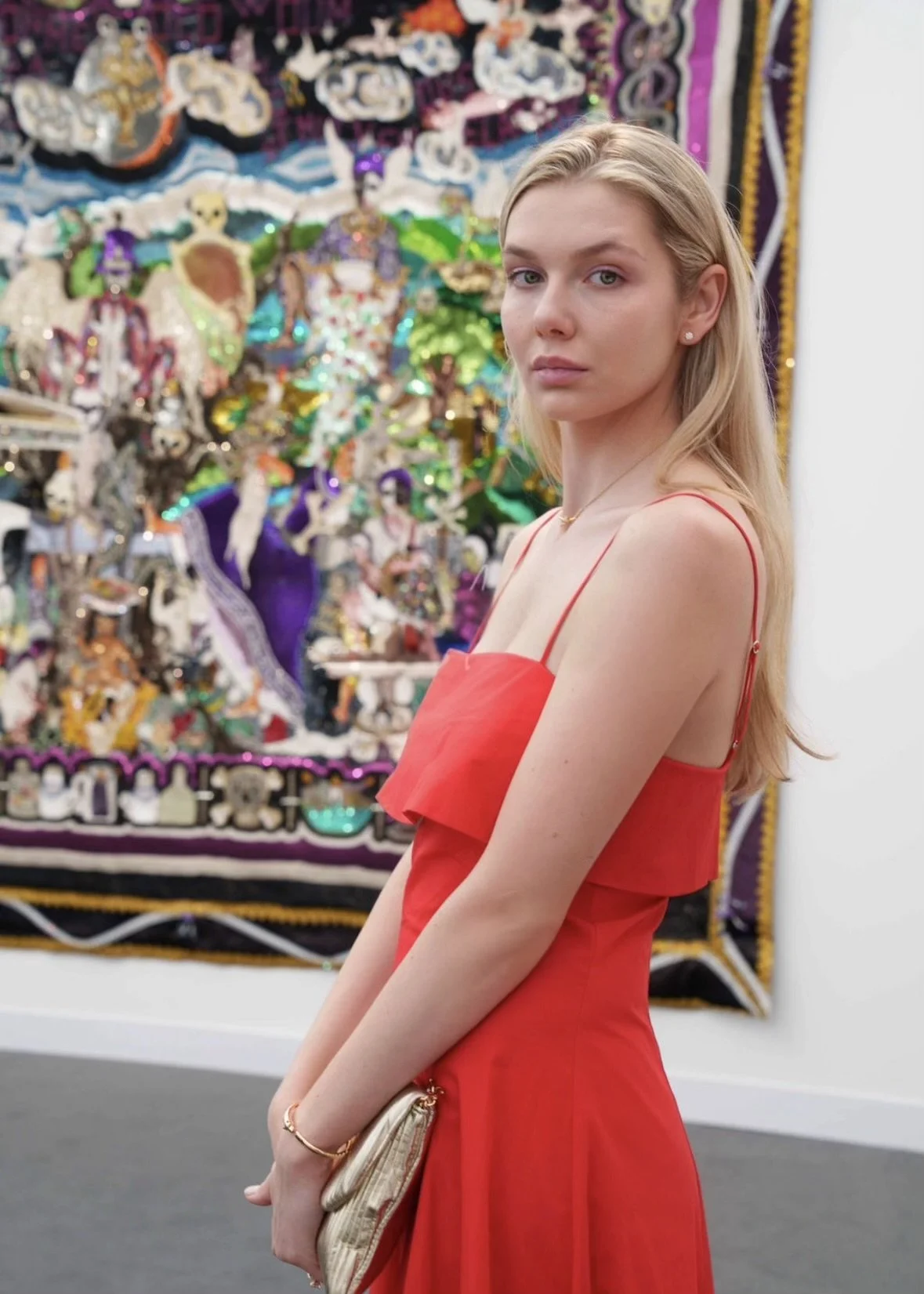
Behind me:

Myrlande Constant “Sekou la de” 2026

Beads and sequins on fabric

Gallery: Fort Gansevoort @fortgansevoort
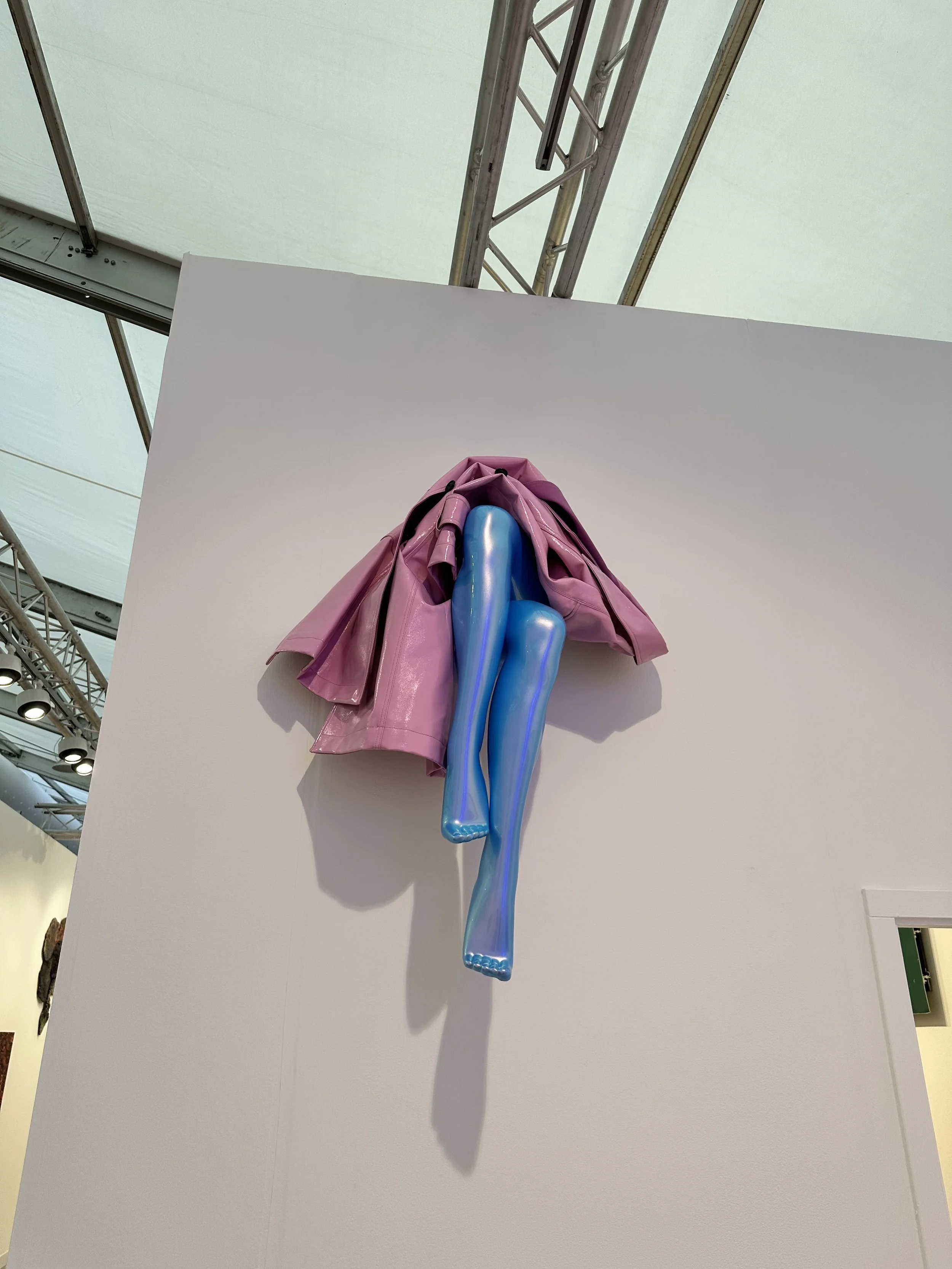
Sylvie Fleury. “Powdered” 2024.

Mannequin legs, car paint and raincoat

Gallery: Sprüth Magers
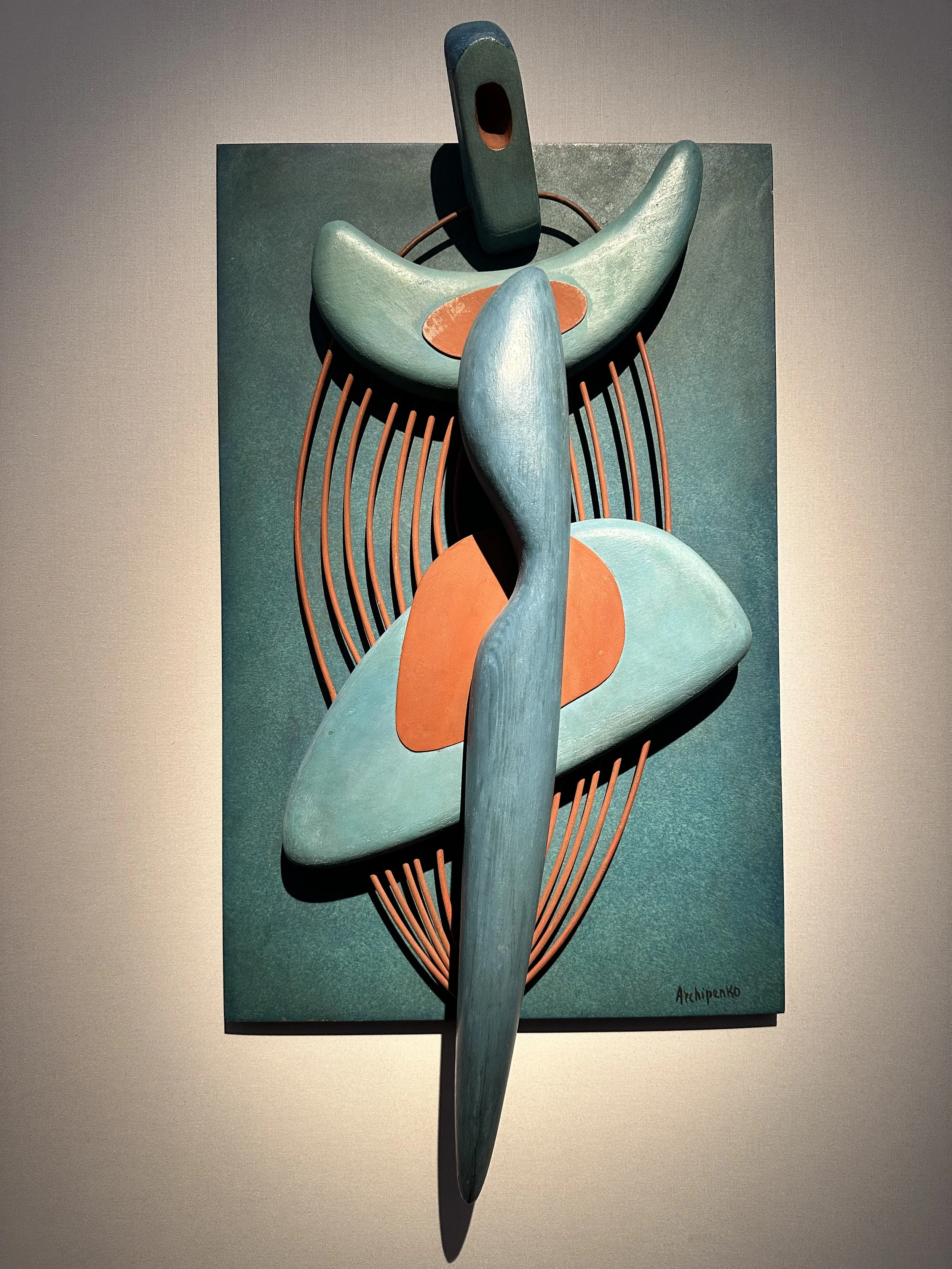
Alexander Archipenko

Ballerina, 1957

Copper, wood, metal, paint
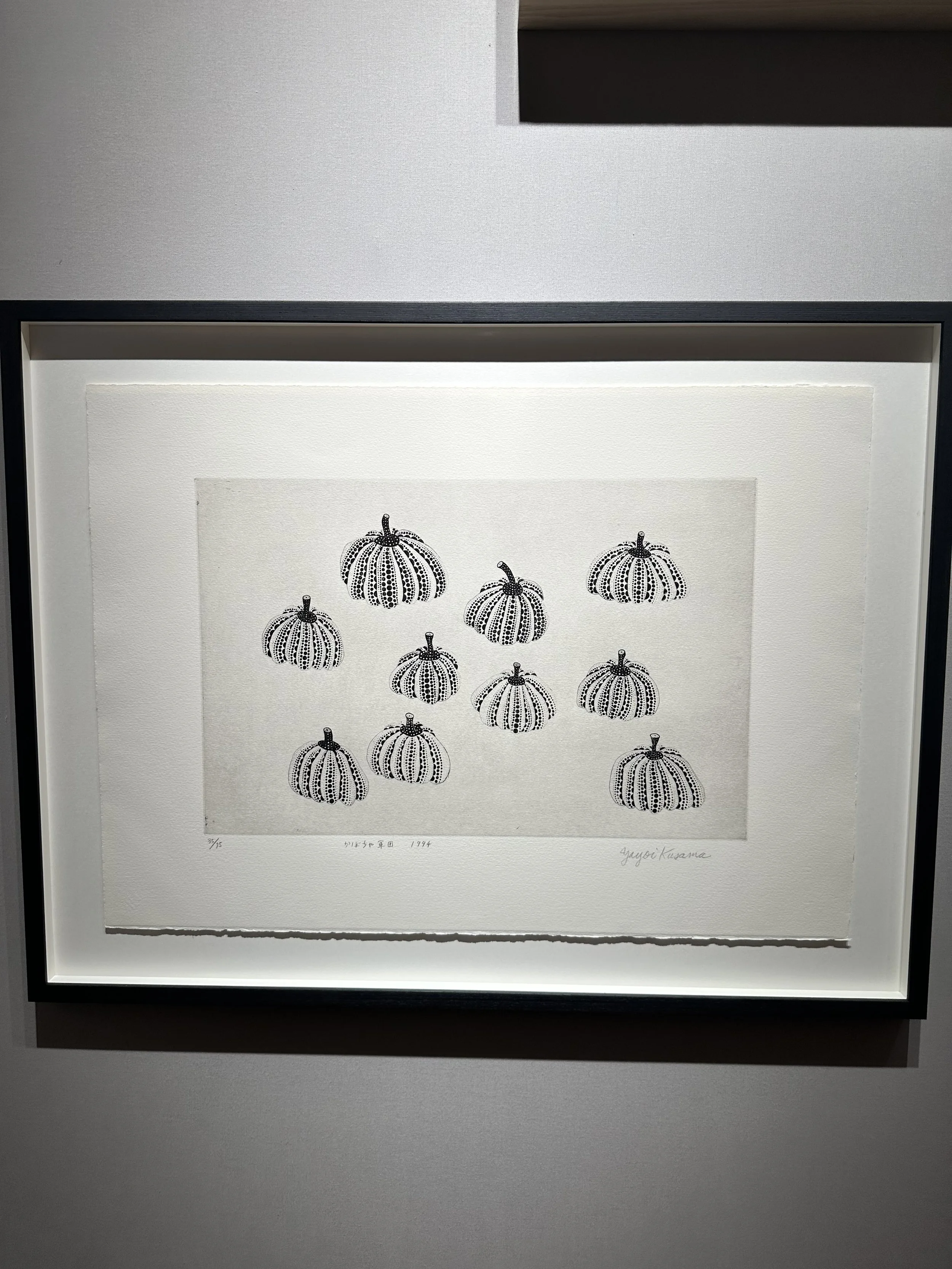
Yayoi Kusama “Pumpkin Army”, 1994. Etching on Arches paper. Archeus / Post-Modern | Frieze Masters.
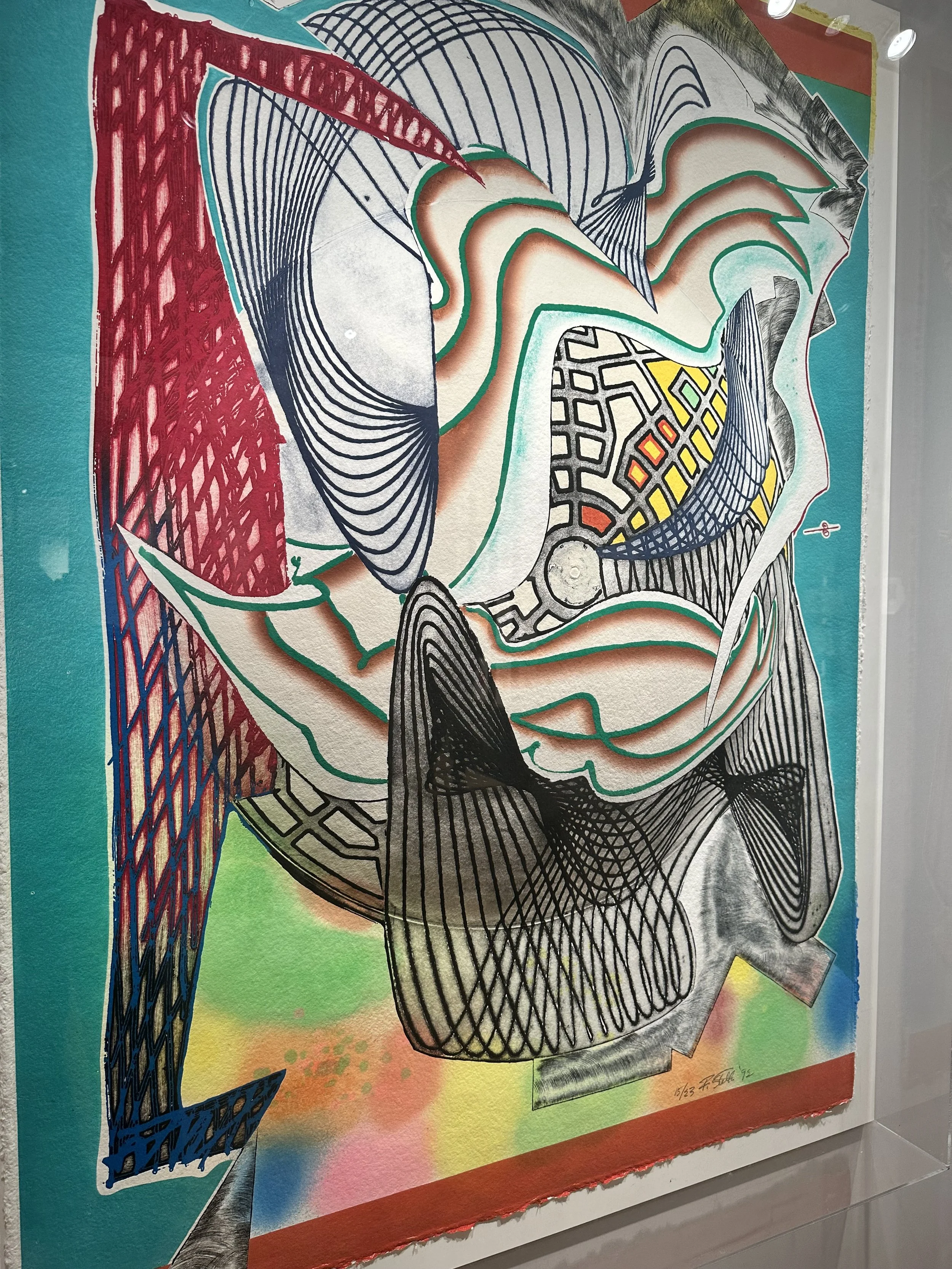
Frank Stella “The Funeral”, 1992. Shapero Modern | Frieze Masters.
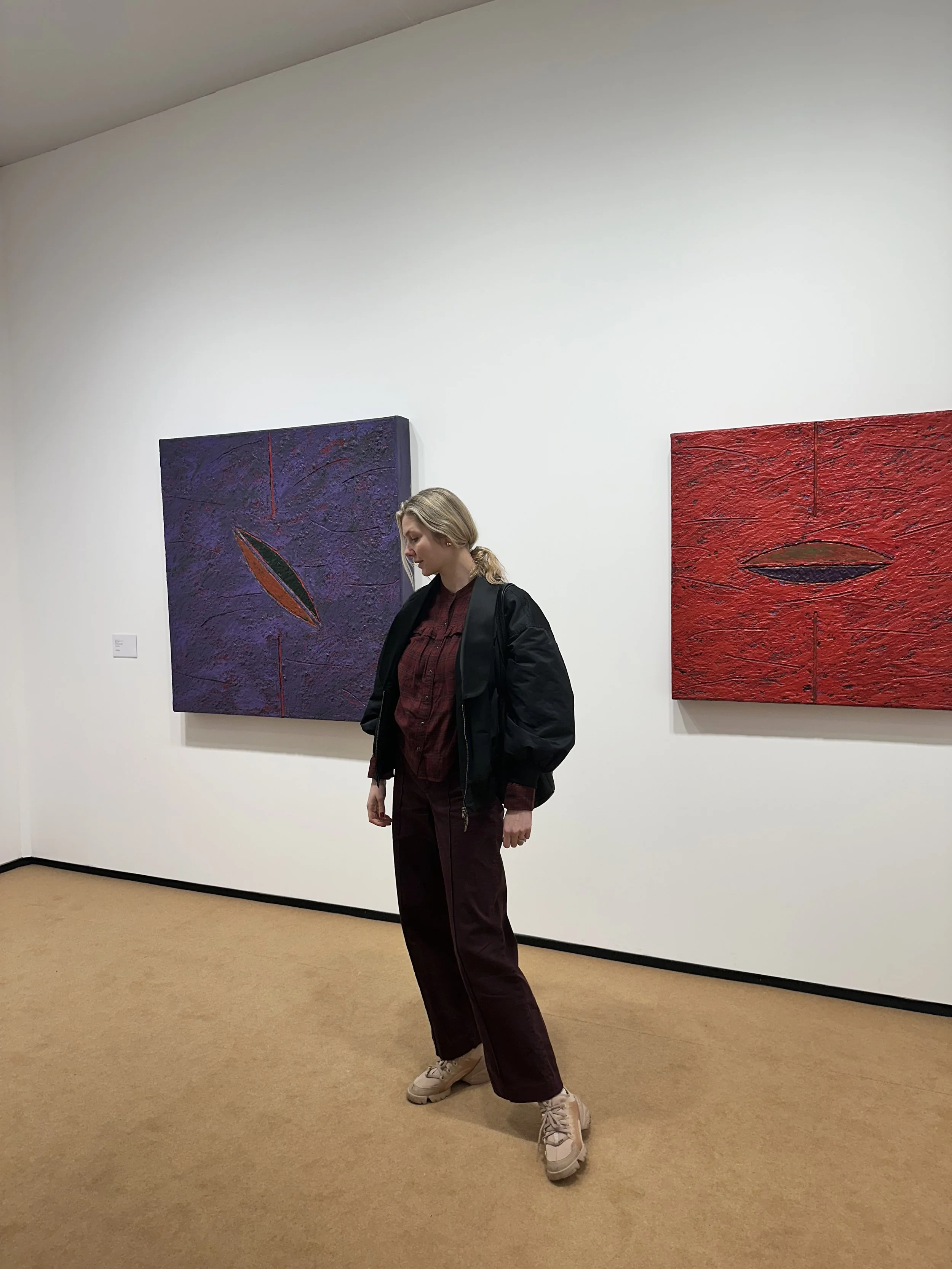
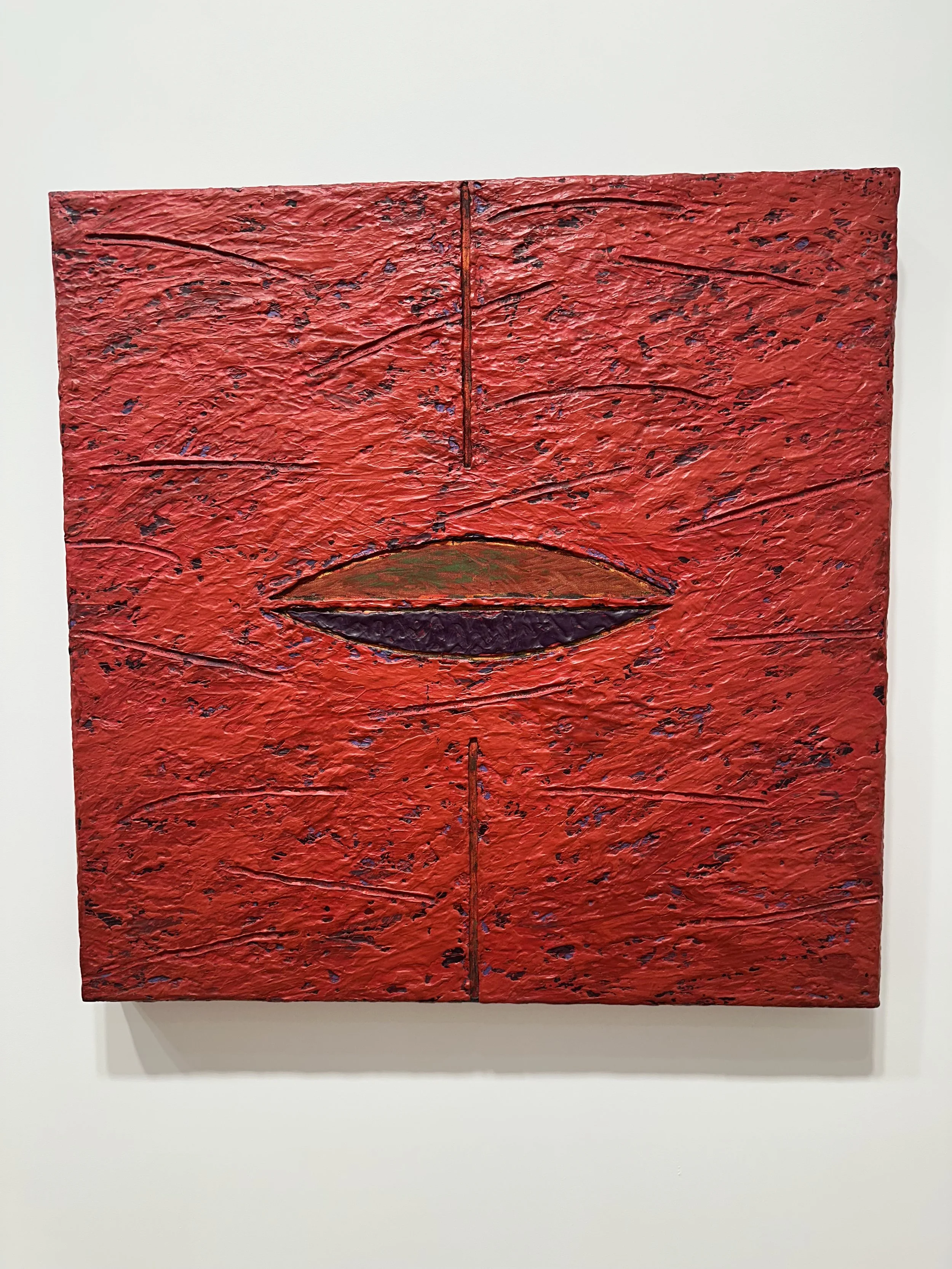
Kay WalkingStick “Solstice”, 1982. Hales Gallery | Frieze Masters
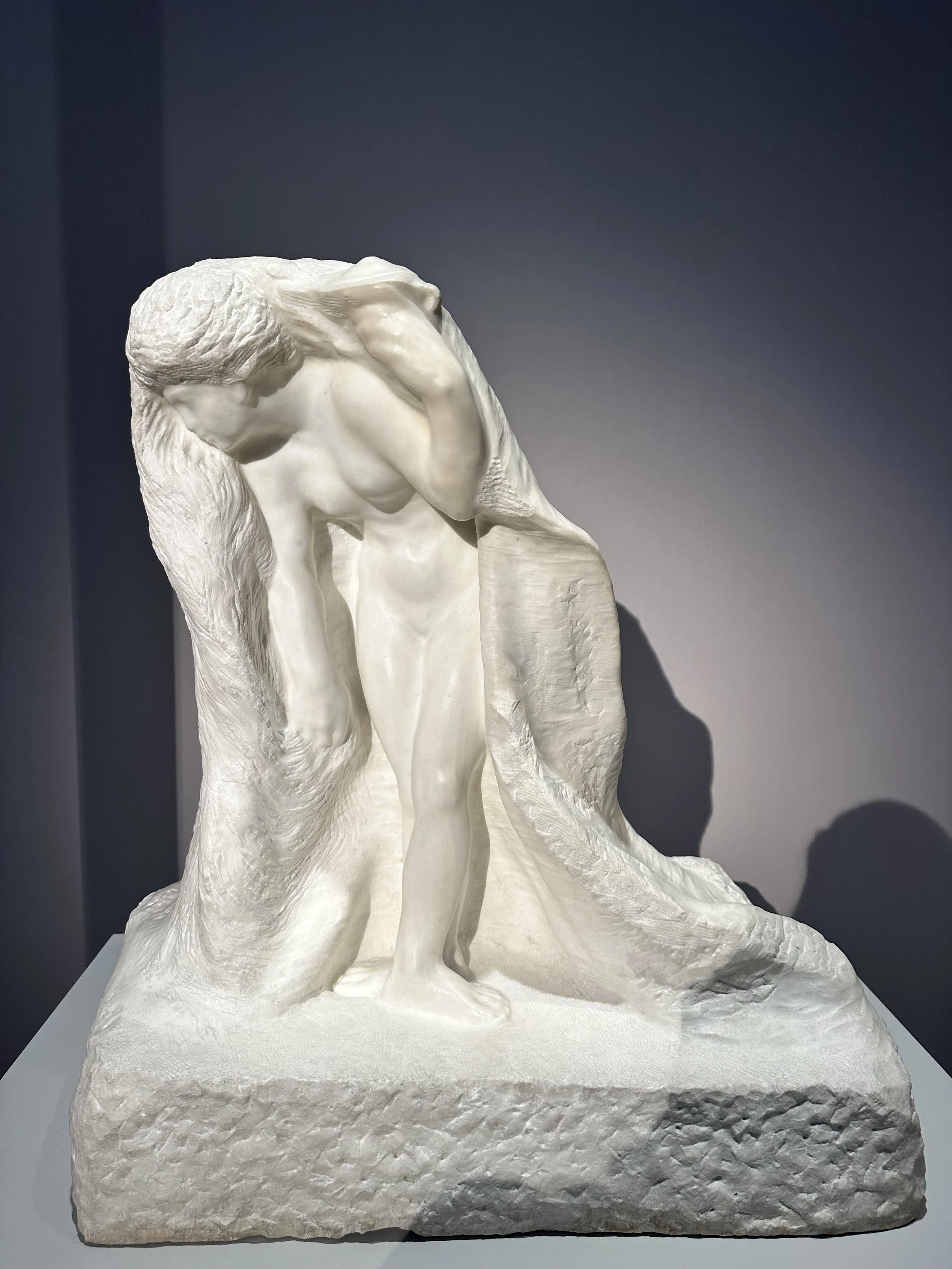
Auguste Rodin “Psyche Illuminating Cupid”, 1899. Marble. Willoughby Gerrish | Frieze Masters.
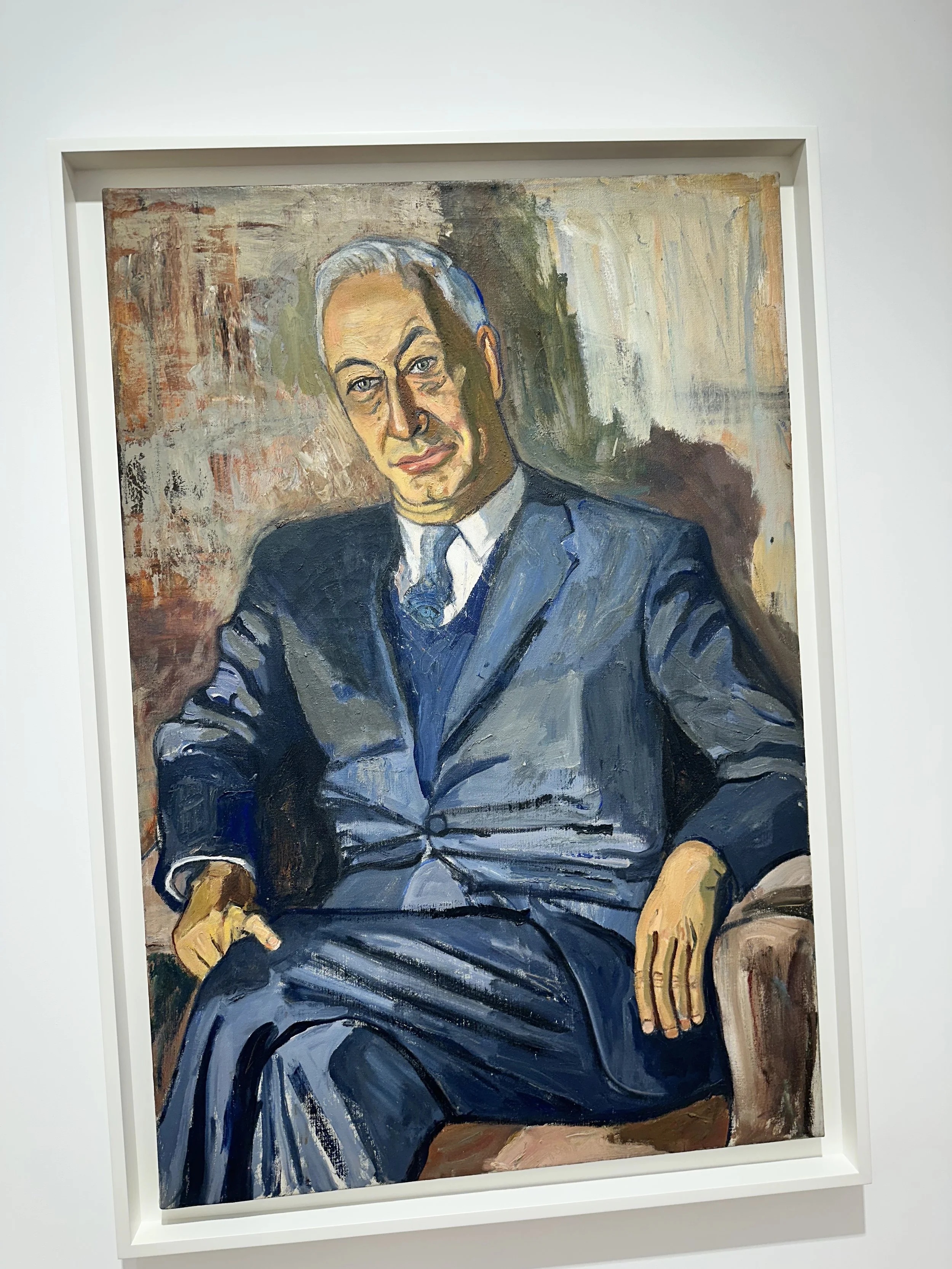
Alice Neel (1900-1984)

Arthur Bullowa, c. 1960

Oil on canvas
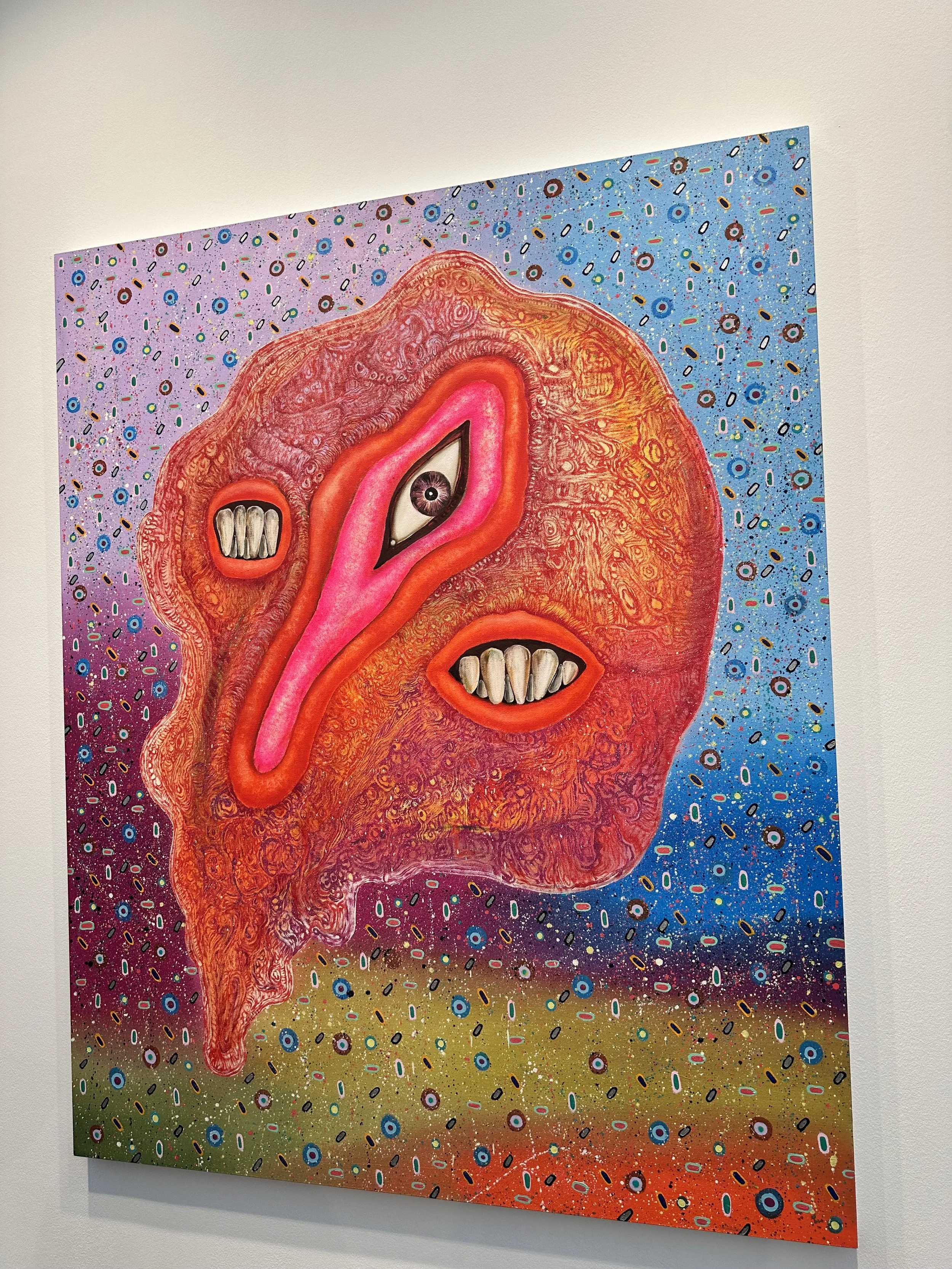
Jang Pa (b.1981)

Gore Deco. The Laughing Orifice #2

2025

Oil on linen

KUKJE GALLERY
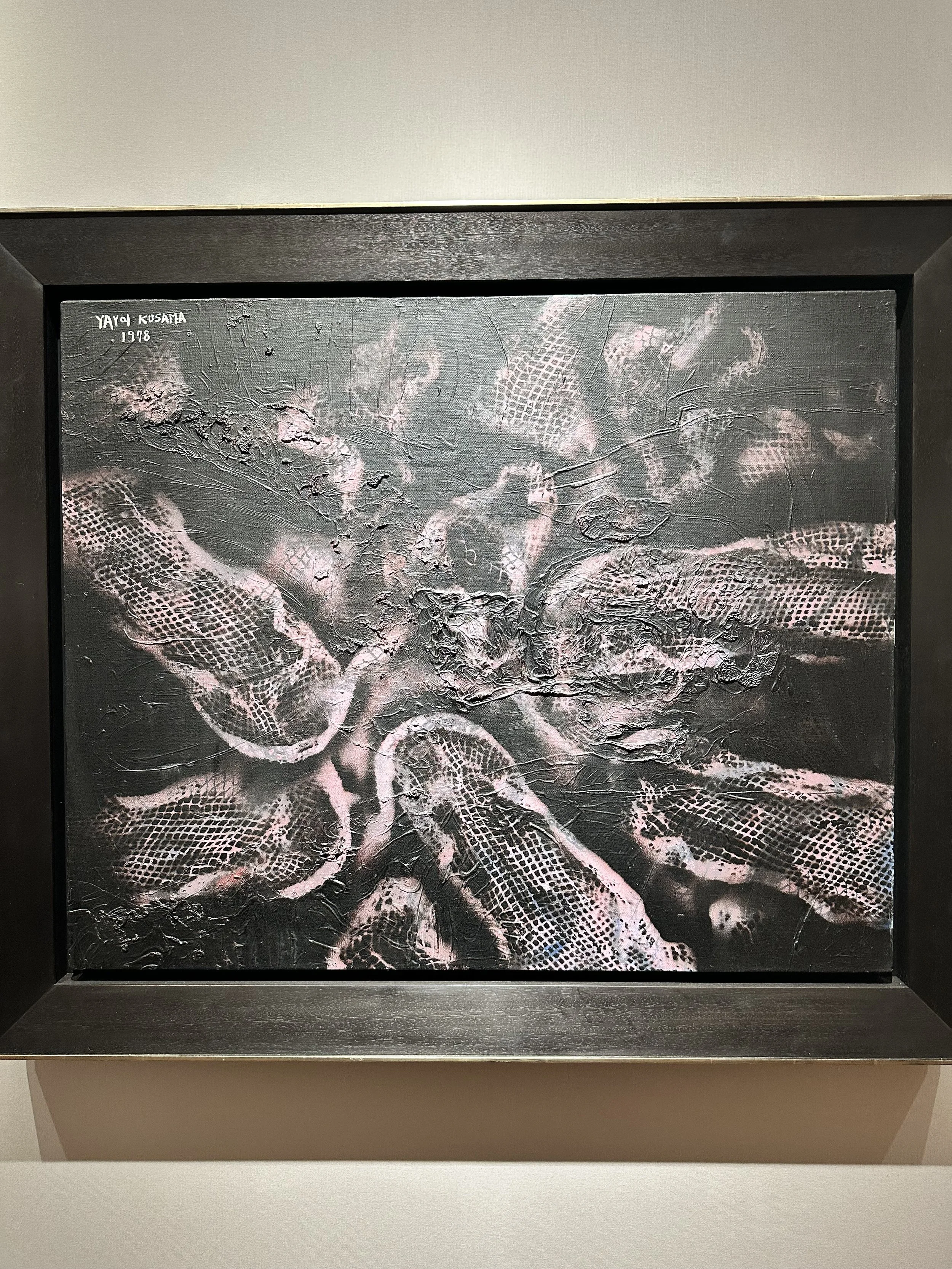
Yayoi Kusama

1978

Visionary Wave Crest

Enamel and acrylic on canvas

Gallery ARCHEUS / POST-MODERN
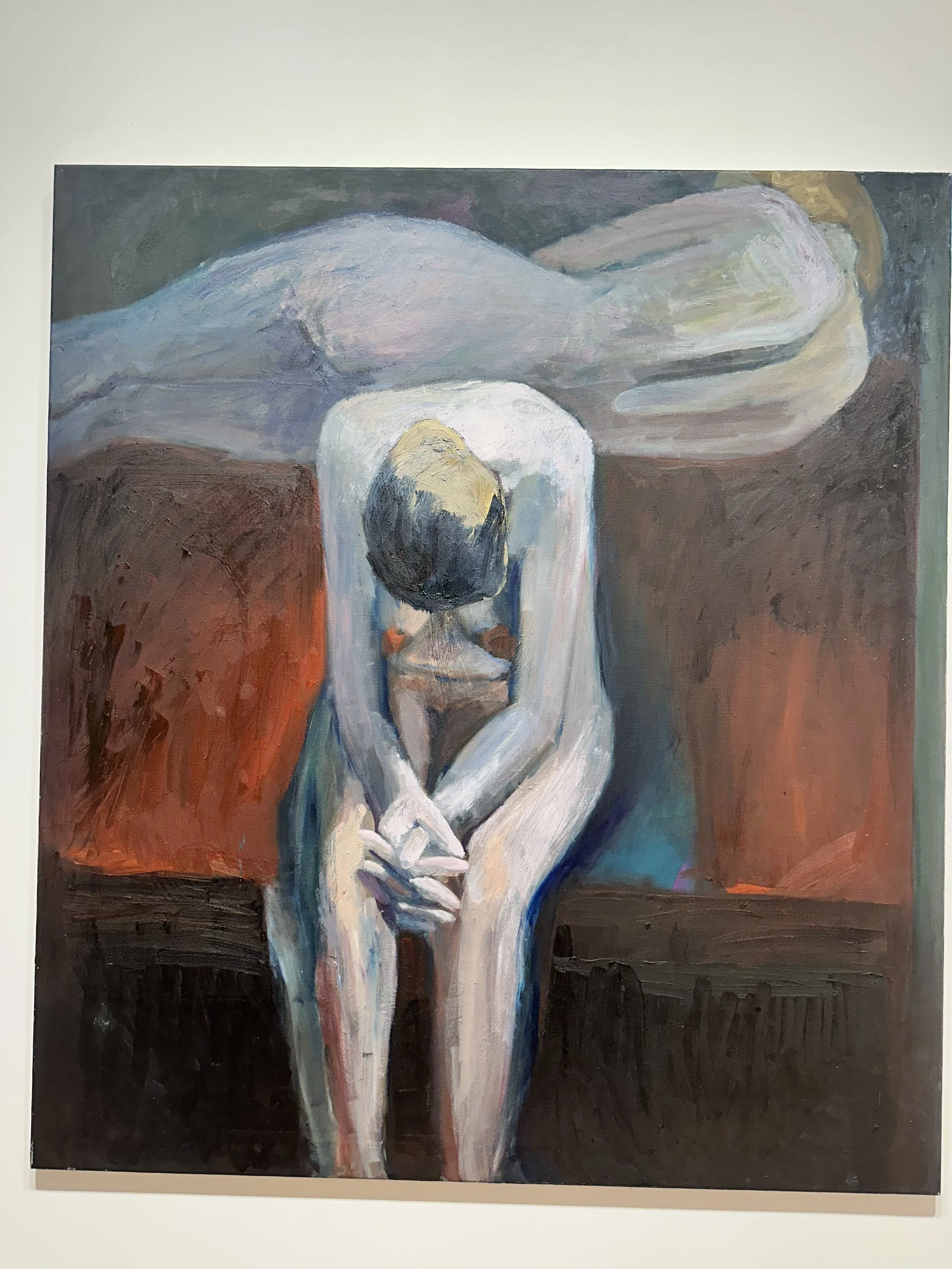
Ai Weiwei

Untitled, 1983

Oil and acrylic on canvas

V

ITO SCHN

ABEL
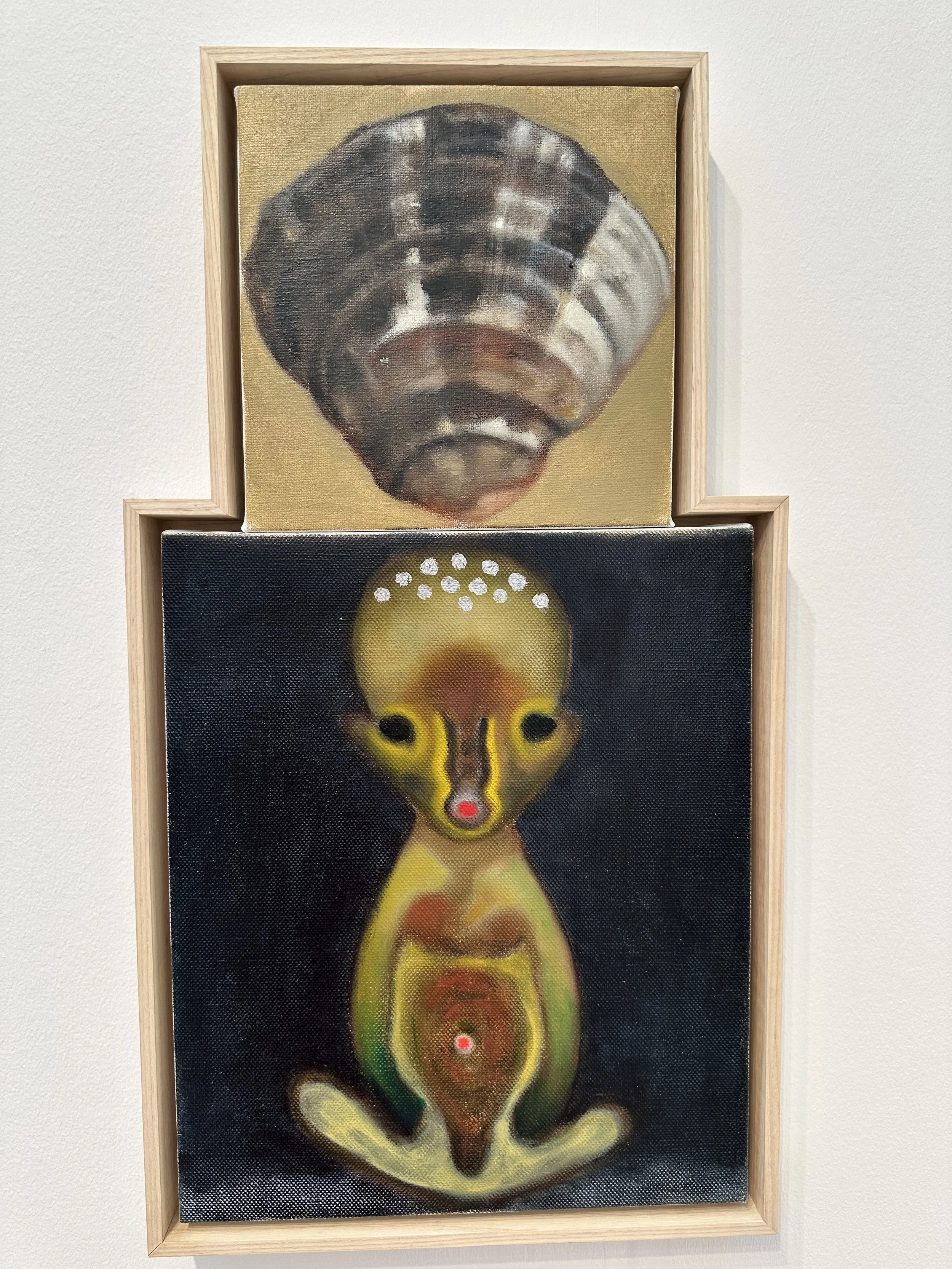
Izumi Kato. “Untitled” 2026.

Oil on canvas

Gallery: Perrotin
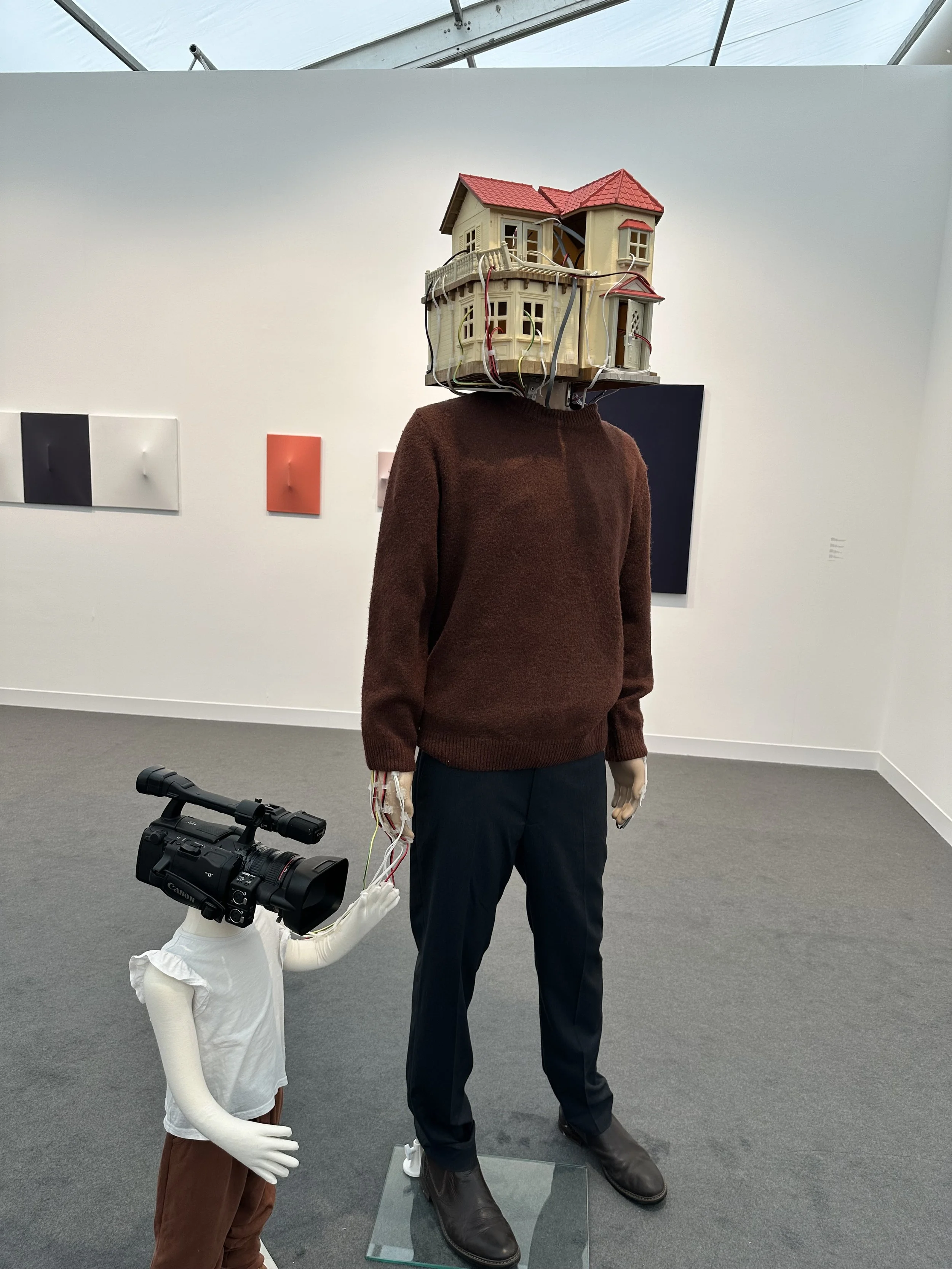
Morag Keil. “House” 2026.

Mannequin, clothes, plastic doll’s house, wood, cables and camcorder

Gallery: Arcadia Missa

MORE discoveries in my instagram feed and highlights
Revival, Reopening, Pearlstein and More

Pearlstein. Tradition and modernity of his nudes

The coexistence between modernity and tradition in Pearlstein works can be observed throughout his career since his training as an artist. Pearlstein developed his artistic production in the post-war period, after having been recruited by the United States Army to serve during World War II where he produced diagrams of weapons assemblies. The artist later went to Italy, where he traveled through Rome, Venice, Florence, and Milan, and was able to take a classical training based on the great masters of the Renaissance that influenced some of the qualities that define him as a painter.

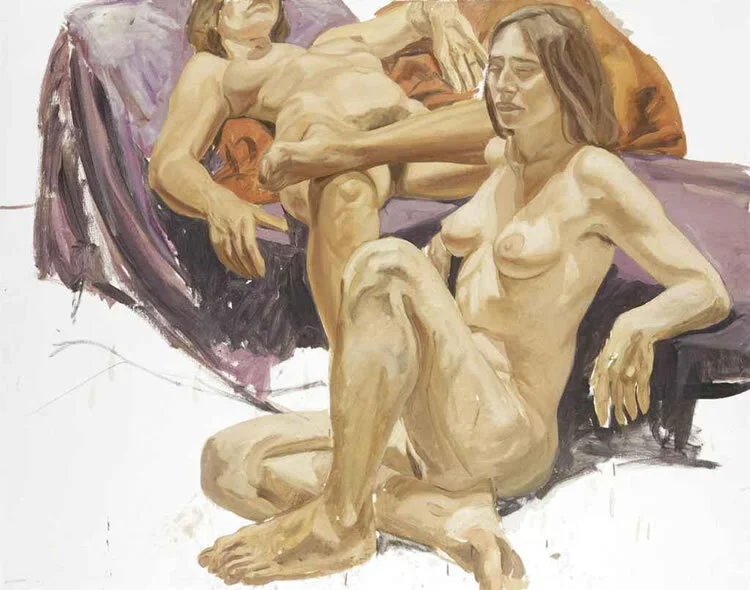
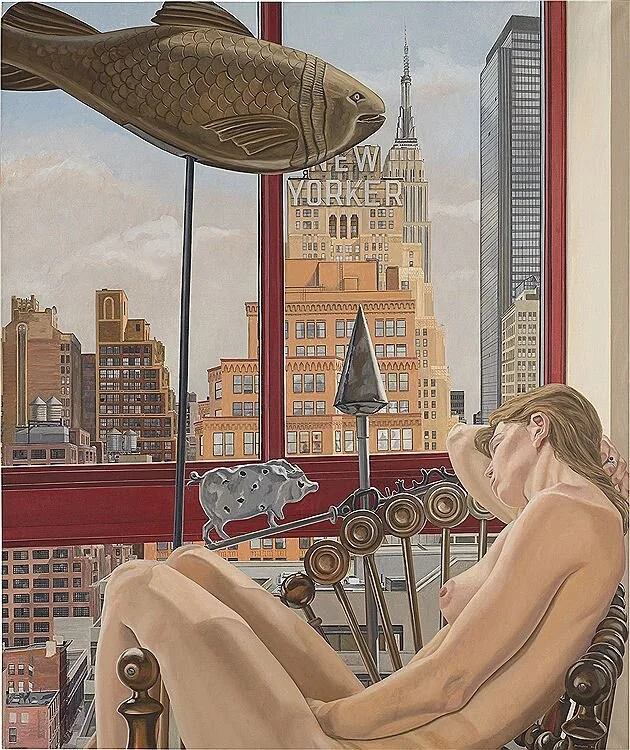
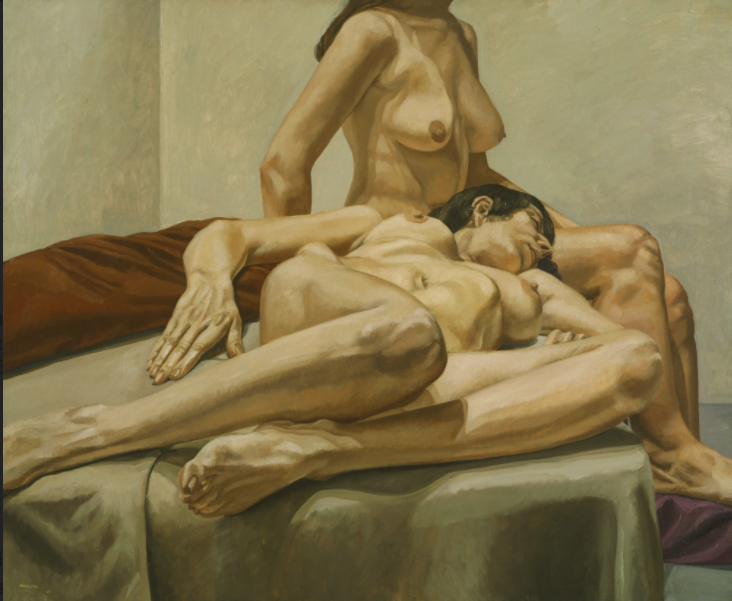
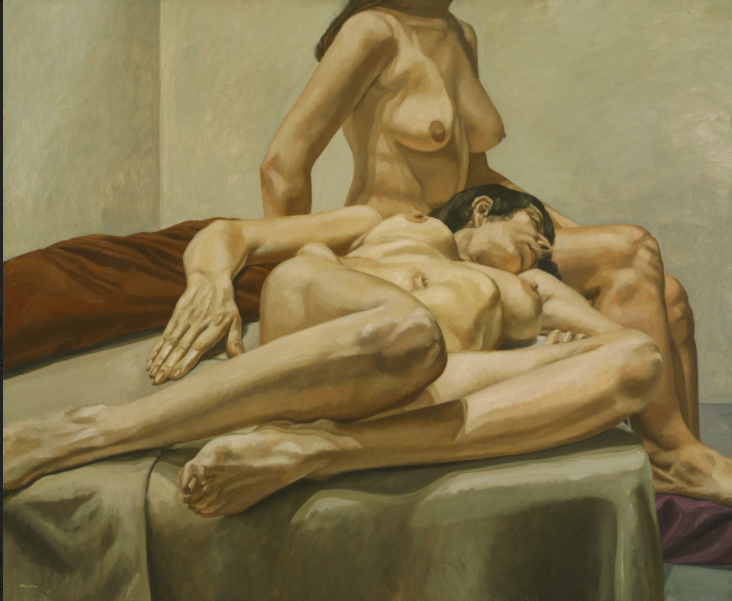
He settled in New York (you can’t go wrong with that) From 1961 he began to create his characteristic style based generally on naked women posing casually in his art studio. His nudes offered a hyper-realistic and rigorously formalistic approach to the human figure. His particularity lies not only in the modern character of a classical genre but also in the fact that the subject matter and style were a deviation from the artistic context in which it was developed. A number of nudes by Pearlstein demonstrate the domination of his conception of new realism: among those are Two Female Models in the Studio, Two Female Models Sitting on a Blue Homespun Quilt Coverlet, Model with Empire State Building and many others (fig.1, 2, 3).  The artist is famous for his “unconventional informality, unpredicted postures and geometric shapes, and “unusual angle standpoints and radical cropping of figures.”

Fig.1

Philip Pearlstein, Two Female Models in the Studio, 1967, Oil on canvas, 50 1/8 x 60 1/4" (127.3 x 153.1 cm), Museum of Modern Art

Philip Pearlstein, Two Female Models in the Studio, 1967, Oil on canvas, 50 1/8 x 60 1/4" (127.3 x 153.1 cm), Museum of Modern Art

After the Holocaust and the sense of anguish and disappointment it left, abstract artworks proliferated because artists did not want to be inspired by reality and preferred to portray their inner selves through the expressive nature of the formal elements of art, such as abstract expressionism. Moreover, the popularization of this movement completely transformed the art system. New York became the new center for exhibitions of emerging artists replacing Paris which was the Mecca of classical art for centuries, but Europe was left in crisis after World War II and its most important artists escaped (those who could) and migrated to the United States In this context, avant- garde artists set the trend of rejecting traditional painting conventions, mainly figuration and external references.

Fig.2

Philip Pearlstein, Two Female Models Sitting on a Blue Homespun Quilt Coverlet 60.83" x 76.77"    (154.50cm x 195.00cm),1965, Phillips

Philip Pearlstein, Two Female Models Sitting on a Blue Homespun Quilt Coverlet 60.83" x 76.77" (154.50cm x 195.00cm),1965, Phillips

Despite Pearlstein's interest in realism, he only shares the mimetic character with the classic nudes of Greek art and later, the Renaissance. The Renaissance artists represented a perfect but plausible -naturalist- version of reality through geometric compositions, with the perspective being the main resource to achieve this due to its illusory effect of depth. These characteristics are related to the context of that time since it was a period of important scientific discoveries that raised individualism and confidence in power of human beings.

Fig.3

Philip Pearlstein, Model with Empire State Building, Oil on Canvas 72.00" x 60.00" (182.88cm x 152.40cm) 1992, Christie’s

Philip Pearlstein, Model with Empire State Building, Oil on Canvas 72.00" x 60.00" (182.88cm x 152.40cm)
1992, Christie’s

What is it about Pearlstein work that resembles the forms of the classical nude: Urbino&David

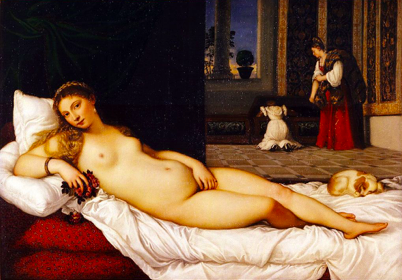
Let’s take a closer look particularly atTwo Female Models in the Studio (fig.1) which is at MoMa, not on display(!). Positioning of Pearlstein’s nude figures echoes the Renaissance tradition. The artist portrays women lying down immersed in their thoughts or sleeping peacefully, with their heads tilted. The motif of a female laying down in a relaxed position can be observed in the Titian’s famous Venus of Urbino(fig.4). Titian popularized theme of the nude woman lying down, but challenged the rules by creating an interpretation of Venus, a mythological figure, as a real woman far from the idealized and unattainable portrait of goddesses. For that reason, the work was scandalous for its time, but opened the horizons for realism in the representation of nudes, among them, Pearlstein's style.

Fig.4

Titian, Venus of Urbino, 1538, Oil on canvas, 119 cm × 165 cm (47 in × 65 in), Uffizi Gallery.

Titian, Venus of Urbino, 1538, Oil on canvas, 119 cm × 165 cm (47 in × 65 in), Uffizi Gallery.

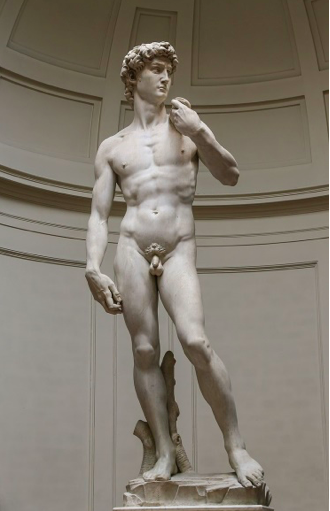
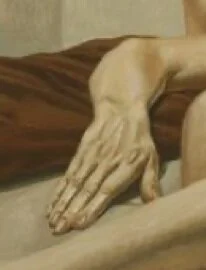
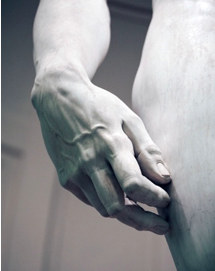
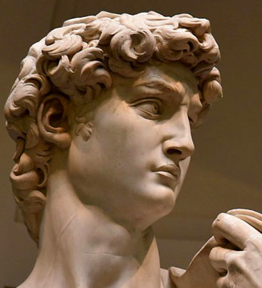
The main difference here is, of course, the portrayal of the physical features of the bodies is. Those are notably visible by the Venus’s sophisticated feminine curves, hand resting on her pubic bone, which is located in the center of the composition and draws the attention of the audience; evenly blended application of the paint creates the sensory experience of the softness of her skin. The implication of a male gaze is reflected through Venus’ approachable flirtatious look at the viewer with her head teasingly tilted; her thick, curvy figure embraces sensuality and femininity of the woman. In other, words, Titian painted pigs…. When I look at 16th century paintings I start having doubts about the whole healthy eating propaganda - there was McDonalds back then, but look how heavy the women are...Well, Pearlstein moves away from the sexuality and feminine curviness of the bodies and rather exaggerates their imperfections: their saggy skin and floppy breasts reflect artist’s unique interpretation of objectivity of their forms. While adopting a Renaissance tradition of positioning female nude figure, when looking at Pearlstein’s naked figures, we can see a clear resemblance with in the Renaissance tradition of a male nude – let’s look at the famous example of Michelangelo’s David (fig.5). The level of detail of the muscles of Pearlstein models create a sensory feeling of three dimensional sculpted figures: the bone structure of the figures is evidently outlined by defined lines of their ribs, limbs and joints. If we take a close look at the right hand of the model in the foreground resting by her side and compare it to David’s right hand, we can observe how similar they are: her large, muscular well defined fingers that are resting by her side resemble the hand of Michelangelo’s sculpture(fig.6,7) The head of the woman lying down is also titled and raised as it is resting on the leg of another model, model’s facial features are portrayed rather muscular: her wide chin and large nose almost make it difficult to identify her gender only by looking at her face(fig.8,9). Peculiarly, Pearlstein implements the traditions of both female and male Renaissance nude, which makes his works so distinct.

Fig.5

Michelangelo, David, 1501/04, Marble sculpture, 517 cm × 199 cm (17 ft × 6.5 ft), Galleria dell'Accademia.

Michelangelo, David, 1501/04, Marble sculpture, 517 cm × 199 cm (17 ft × 6.5 ft), Galleria dell'Accademia.

Fig. 6,7,8,9

Screen Shot 2020-07-30 at 2.26.26 PM.png

What I am trying to say here is that, in Two Female Models in the Studio we see a laying down David in an Urbino - like pose…

I think he is great. Pearlstein’s nudes are sold by the biggest auction houses including Phillips, Christie’s and Sotheby’s. The estimates of Pearlstein works for sales varies between $50,000 and $170,000 for a piece…


* Writing à la carte - speculating about stuff which I am not interested in. Writing “to order”

A lot of things are cubism

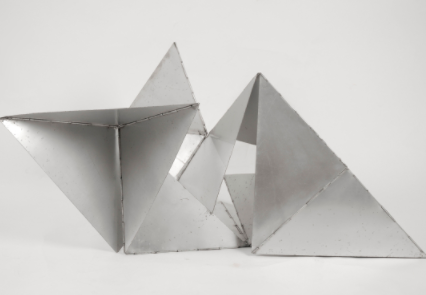
I am looking at some modern sculptures over here (I mean like 50s 60s, not right this second) and found out that some of them are in fact intensely alluding to painting, implying flatness and perspective. It is interesting to see how, depending on certain influences art form intersect wit each other. Especially within the scopes of subject-object, figuration - abstraction tensions.

A good example of a sculpture with the evident allusion to cubist painting is Bichos by Lygia Clark (see figure). The whole thing about it is that “They don’t have angles”, that’s what she said. Meaning that when you look at them at different angles it is always a different side of the piece, so you can rotate and etc. Alright. But actually, they do have angles, many of them, it’s just up to us which angles we choose to look at at these angles. And the triangles combined with the flatness of these metal origamis creates all these multiple perspectives. Voila. Picasso’s innovation. Multiple perspectives.

Screen Shot 2020-12-22 at 12.14.29 AM.png

Blue and Red

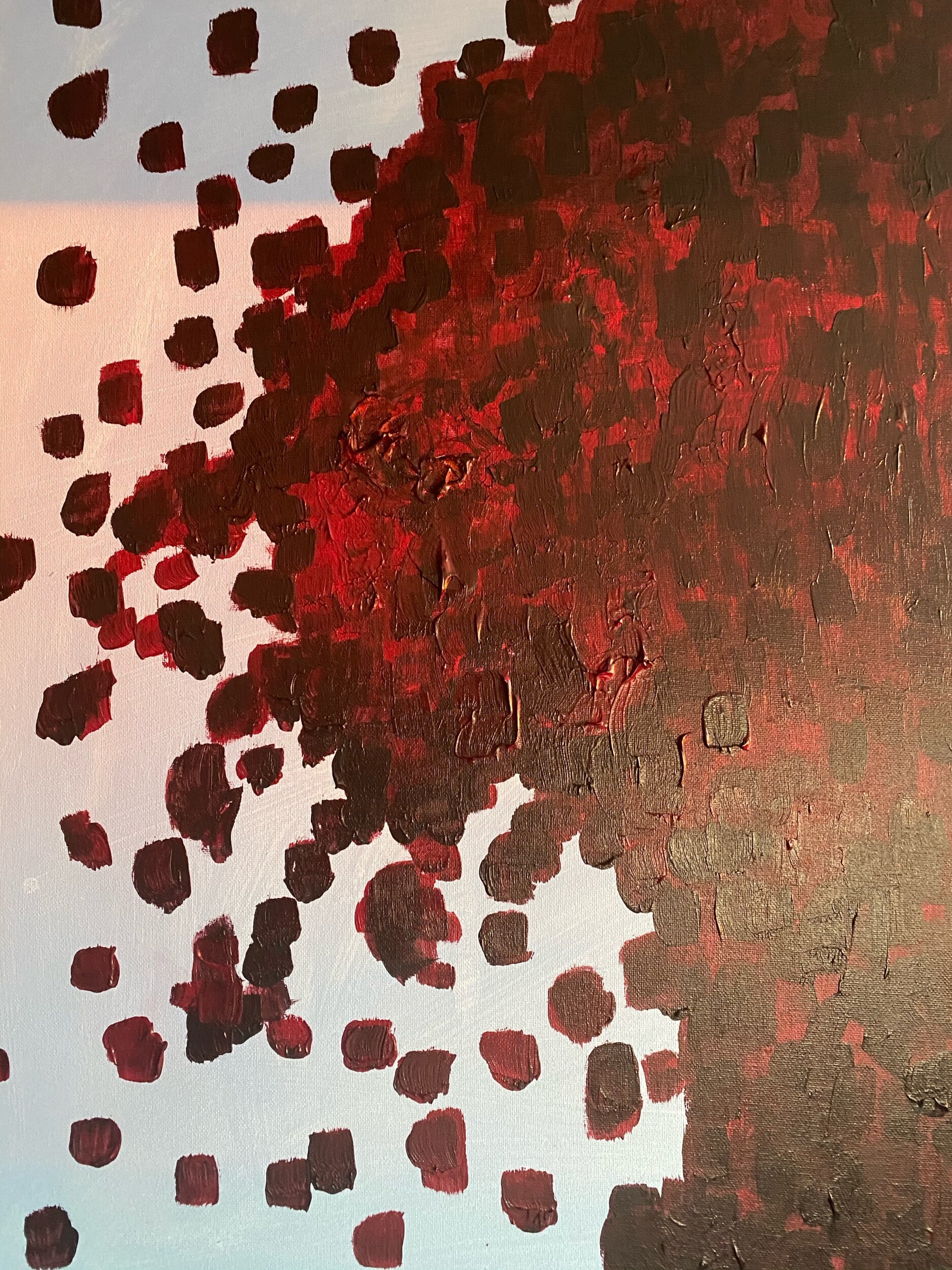
So that night when I mixed paint in a curious way I also painted this (first figure). Combination of blue and red got to me really.

While I was painting the canvas I was thinking about abstract art and why do they teach us that abstraction is some sort of development of painting as an art form, evolving from figuration to abstraction… It is actually very possible that the first ever art piece was abstract.

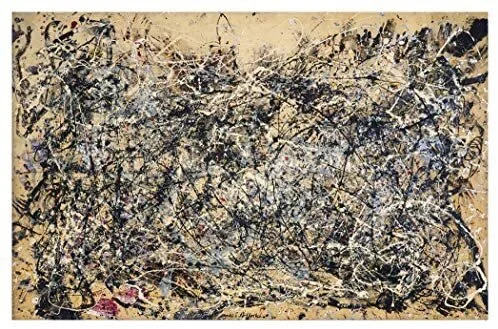
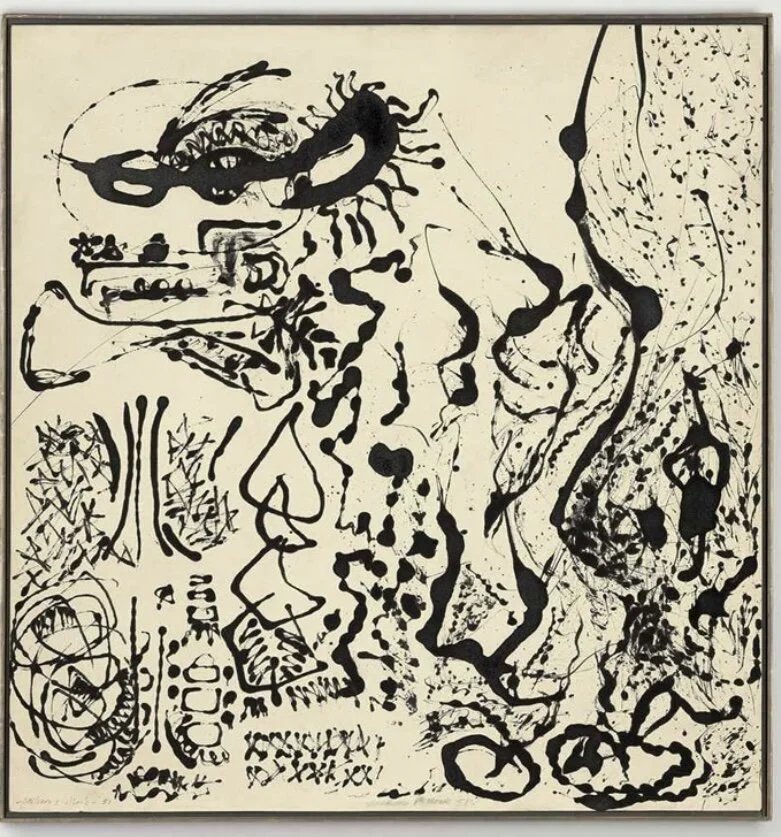
Think about it. When people, more precisely, children, fist use art supplies, what type of art do they make? Abstract. Take Pollock (second figure) for example who was admired for his innovative dripping painting did: they throw paint on the ground, smudge walls and furniture. Children don’t have much figuration imprinted in their minds yet to try to project objects onto surfaces, replicate them by sculpting and etc. Children’s first creative impulse is really an immediate product of psycho somatic response to emotions. That psycho somatic aspect that lies in the core of immediacy is the key mechanism behind abstract art.

These thoughts came into my mind as I was painting the wounds. For a moment I though “What am I doing” and then realized that I was really just being childish and was doing what I was doing out of emotion.
What is really interesting, is that some writers that I read pointed out that abstract expressionists who tend to be have mental issues or even clinical psychiatric disorders return to figuration from time to time, when their mental state gets better. Again, Pollock for example, was more figurative and surrealistic when he was clinically treated for bipolar and wasn’t having episodes. His earlier works were figurative too, but then he was getting crazier I guess and more abstract. Look at Elegant Lady (third one). He didn’t end up medicating for real though and died.

Same thing with me actually. When I am not bleeding as much, I paint stuff which can be probably categorized as surrealistic, or...psychodelic. When I am more unstable than usual, I paint abstract and not figurative. I think it helps release tension a bit.

And escapes, they do too, because I have too much life in my veins and need some anesthesia from time to time. Today I am ok and just had a kale smoothie and will do some excising, should be fine.


Me, Rain, acrylic

Me, Rain, acrylic

Jackson Pollock, Number 1, Oil, 1948

Jackson Pollock, Number 1, Oil, 1948

Jackson Pollock, Oil, Elegant Lady, 1951

Jackson Pollock, Oil, Elegant Lady, 1951

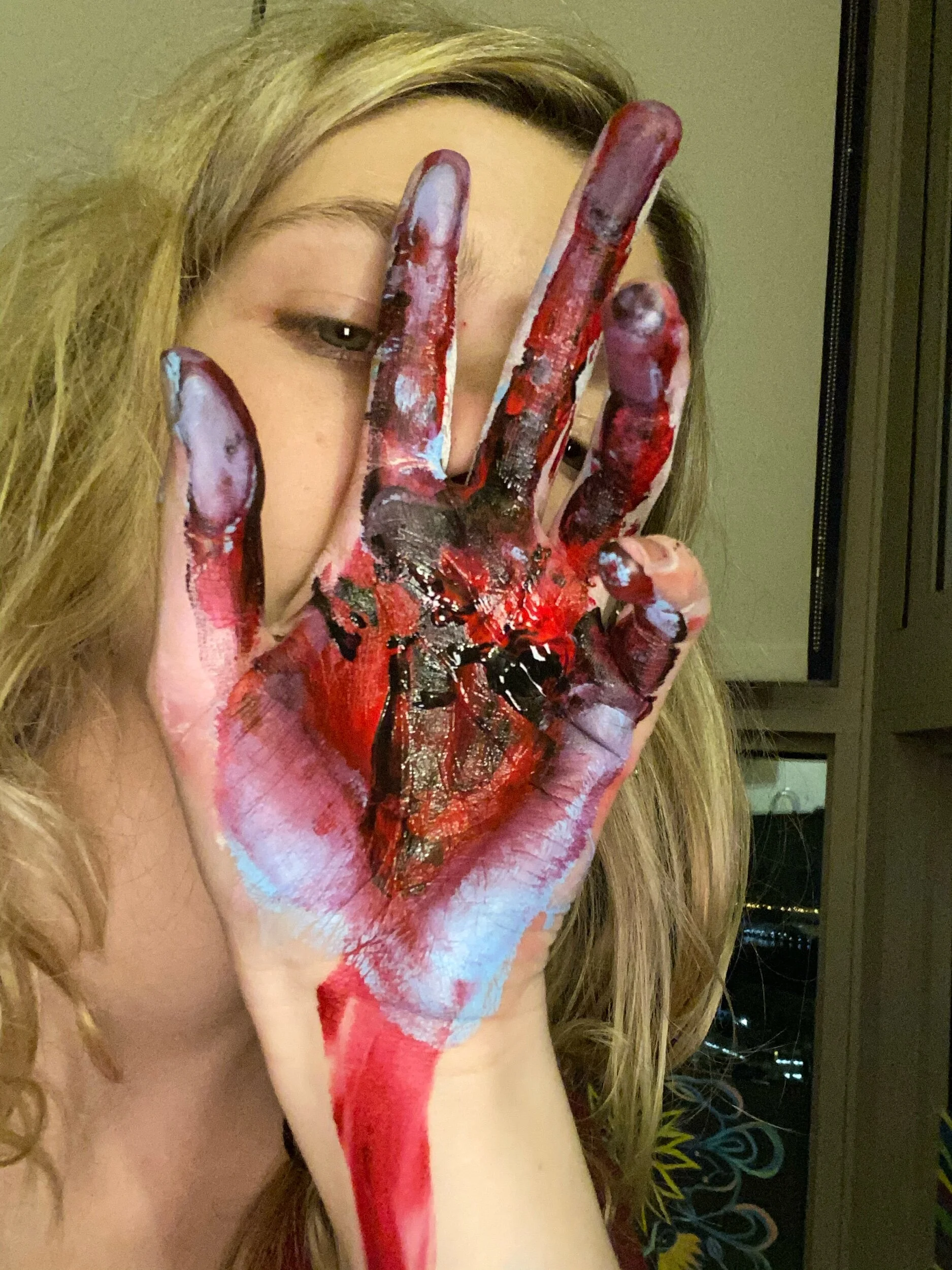
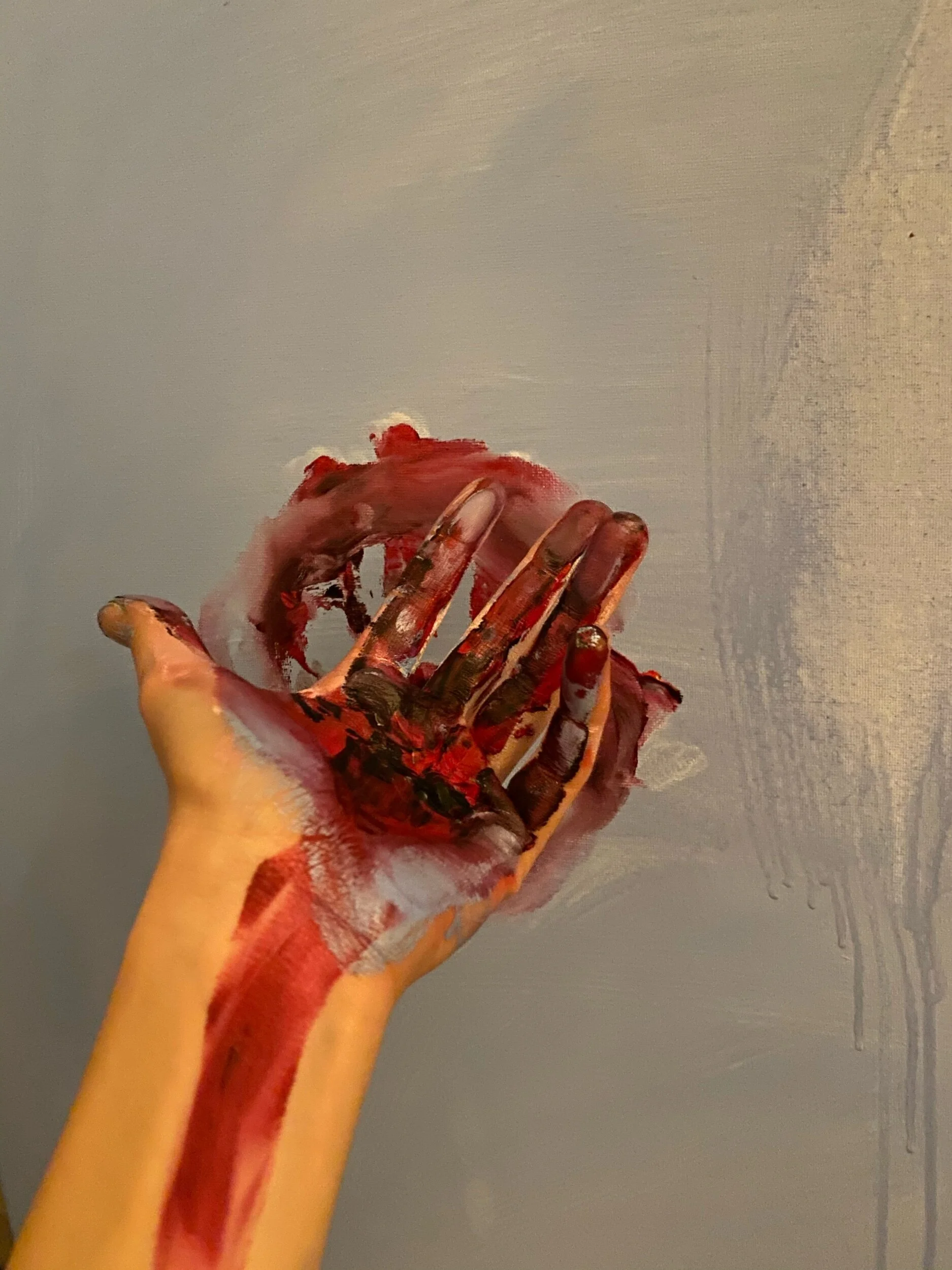
My hand

Last night I wasn’t terribly sober, though it was only alcohol I was “on”, no other escapes* And I somehow ended up dipping my hand in paint in an interesting way, so I took a selfie. I particularly like the combination of red and black in abstract painting, but a little blue with it looks kind of nice.

*escapes - drugs and alcohol

IMG_1706.jpeg
IMG_1702.jpeg

Open book

I want to share a good way to always be motivated to read books: open them. I don’t mean open a book and start reading. This is what I do: I open the books I would like to read and put them on the coffee table; if there are pictures, open those pages. Unwillingly I start looking at them when I look at the table and end up reading.

That way, by always keeping the books open you might not notice that you have already read a few this weeks.

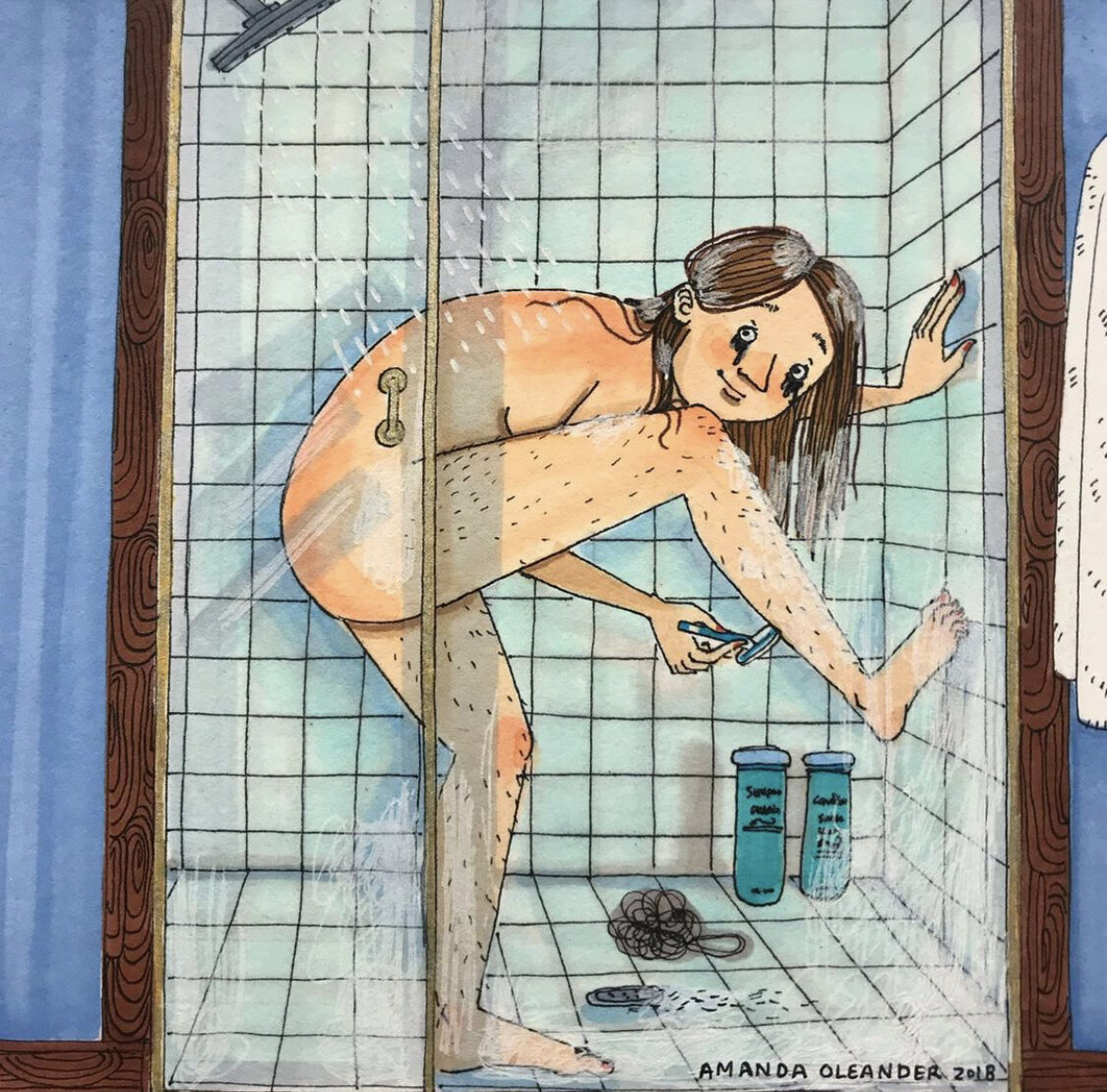
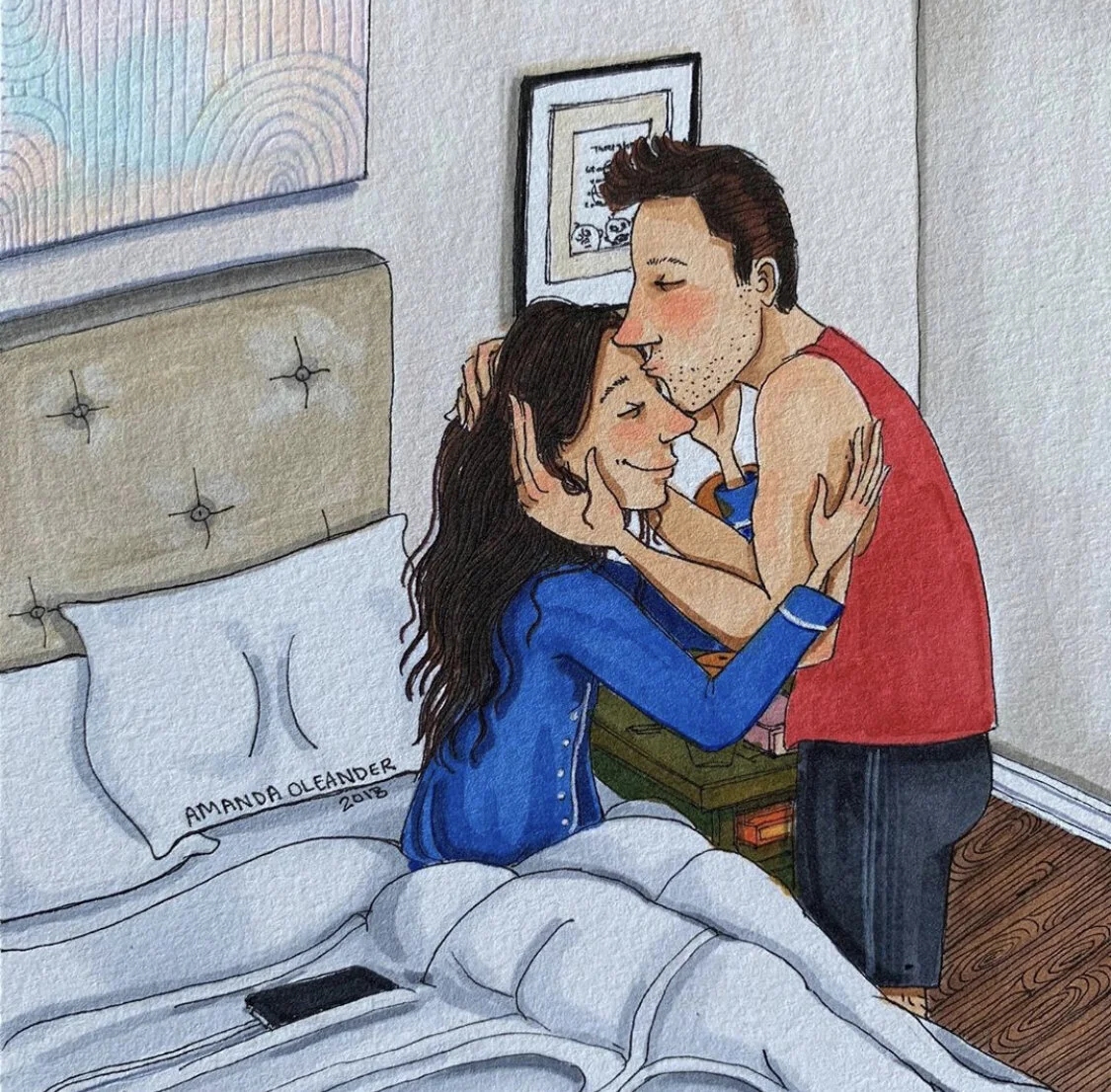
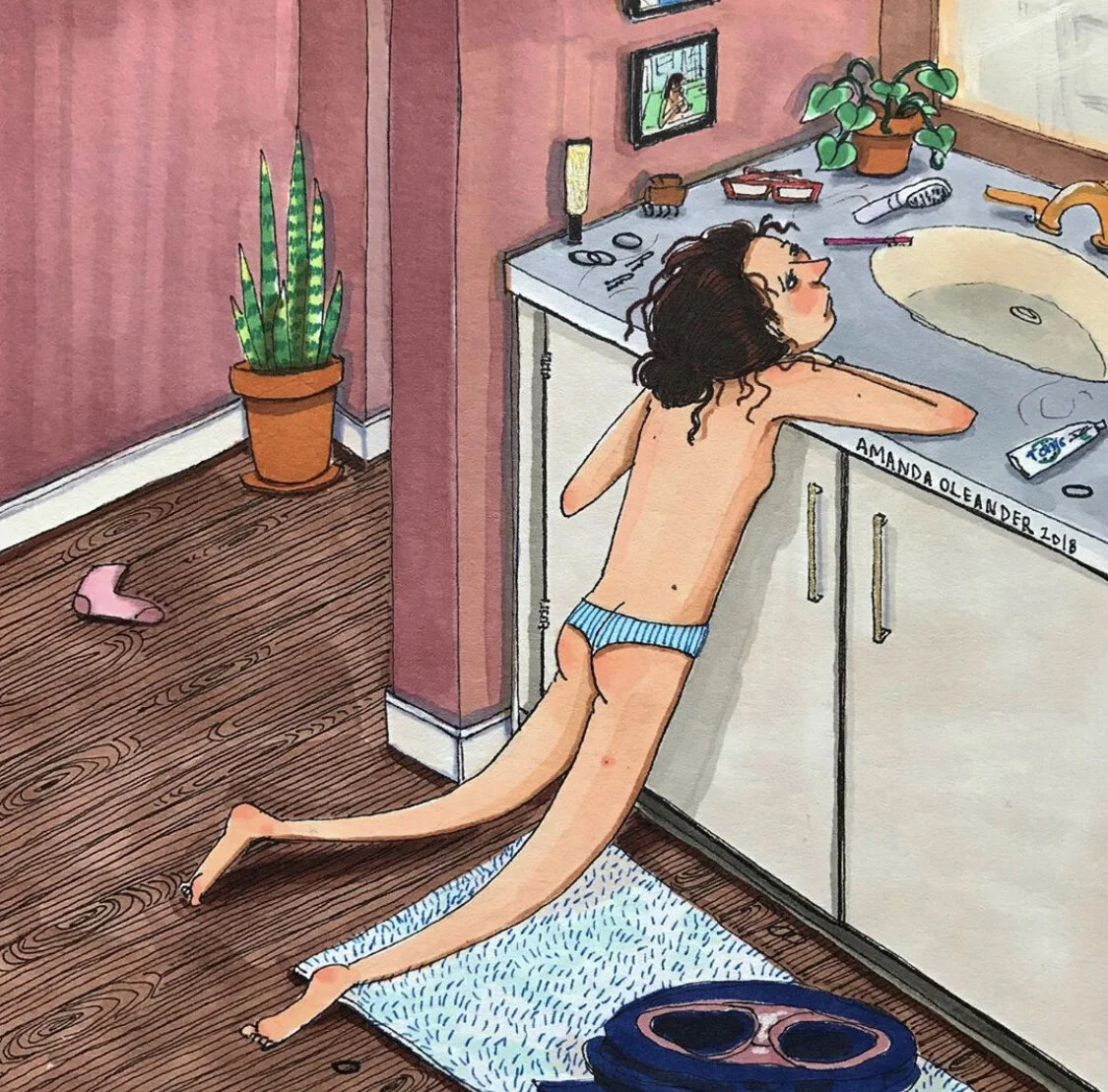
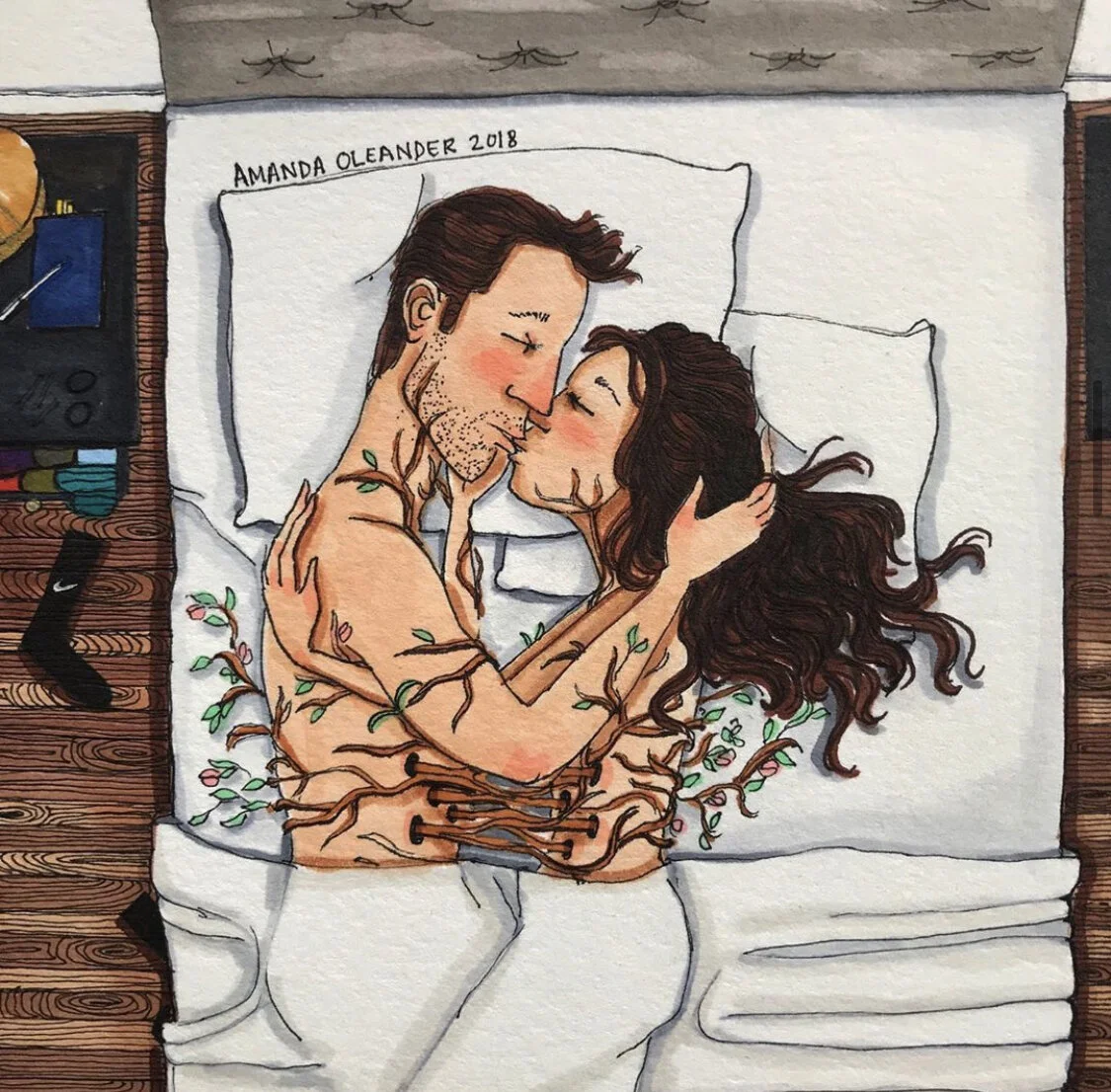
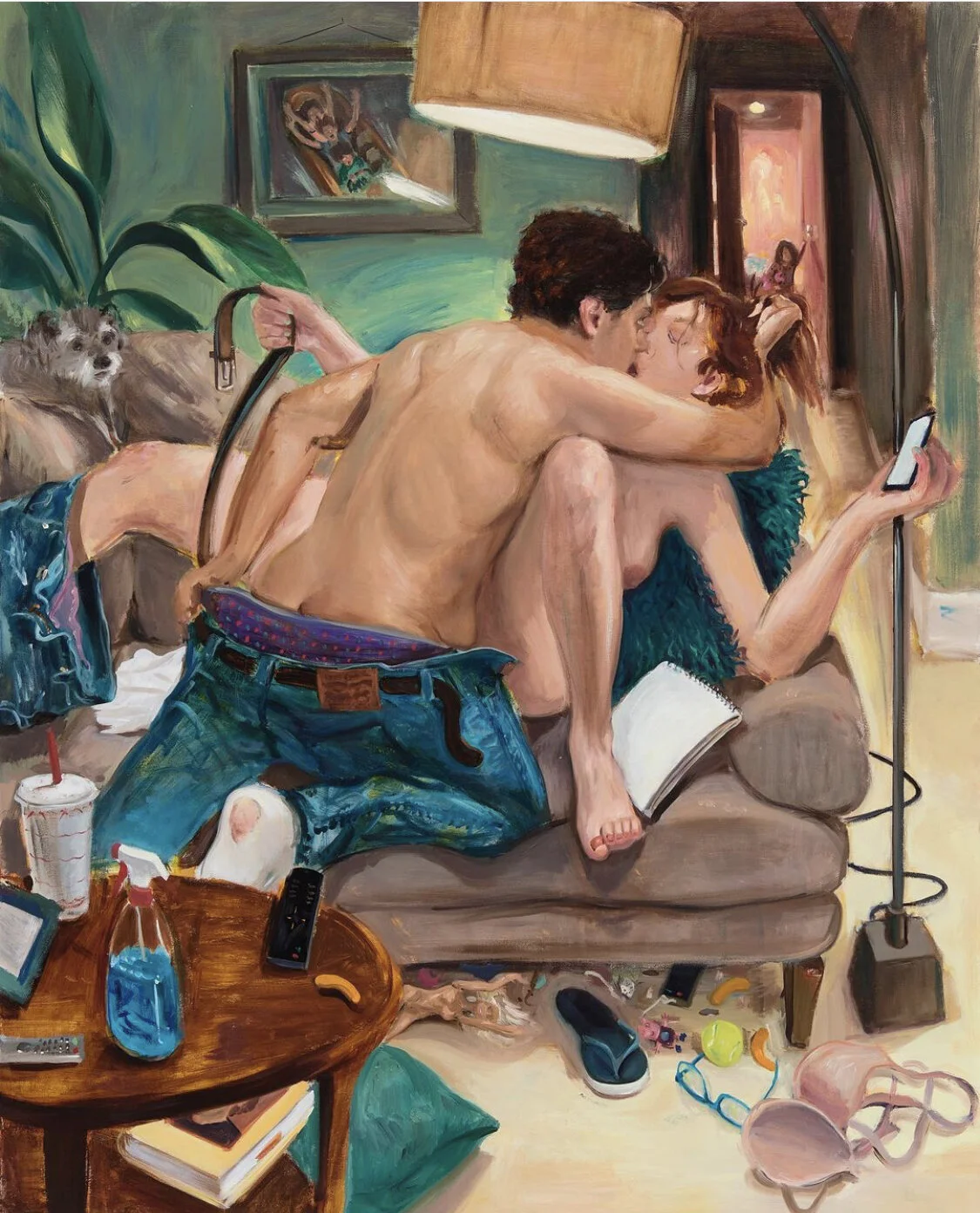
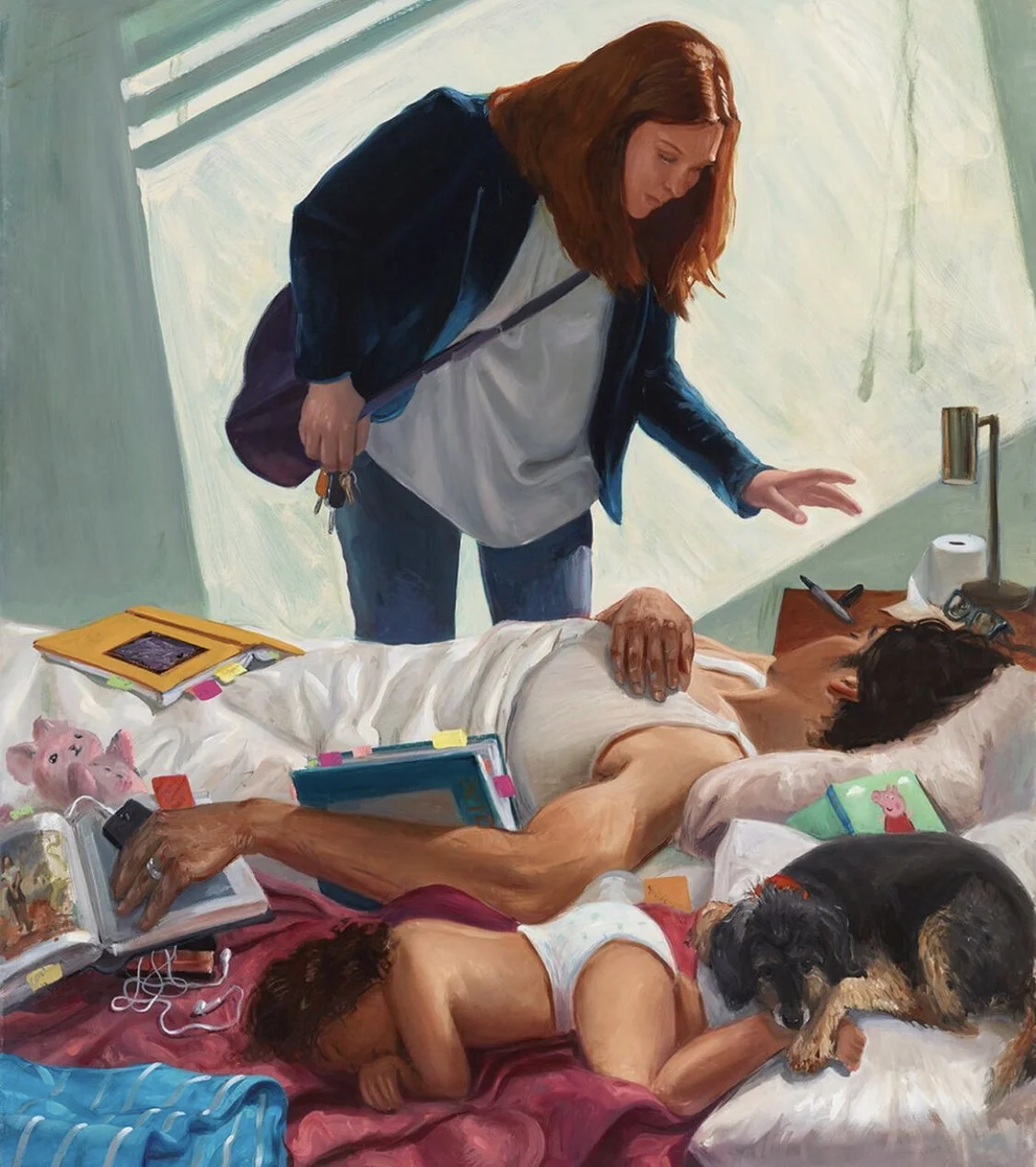
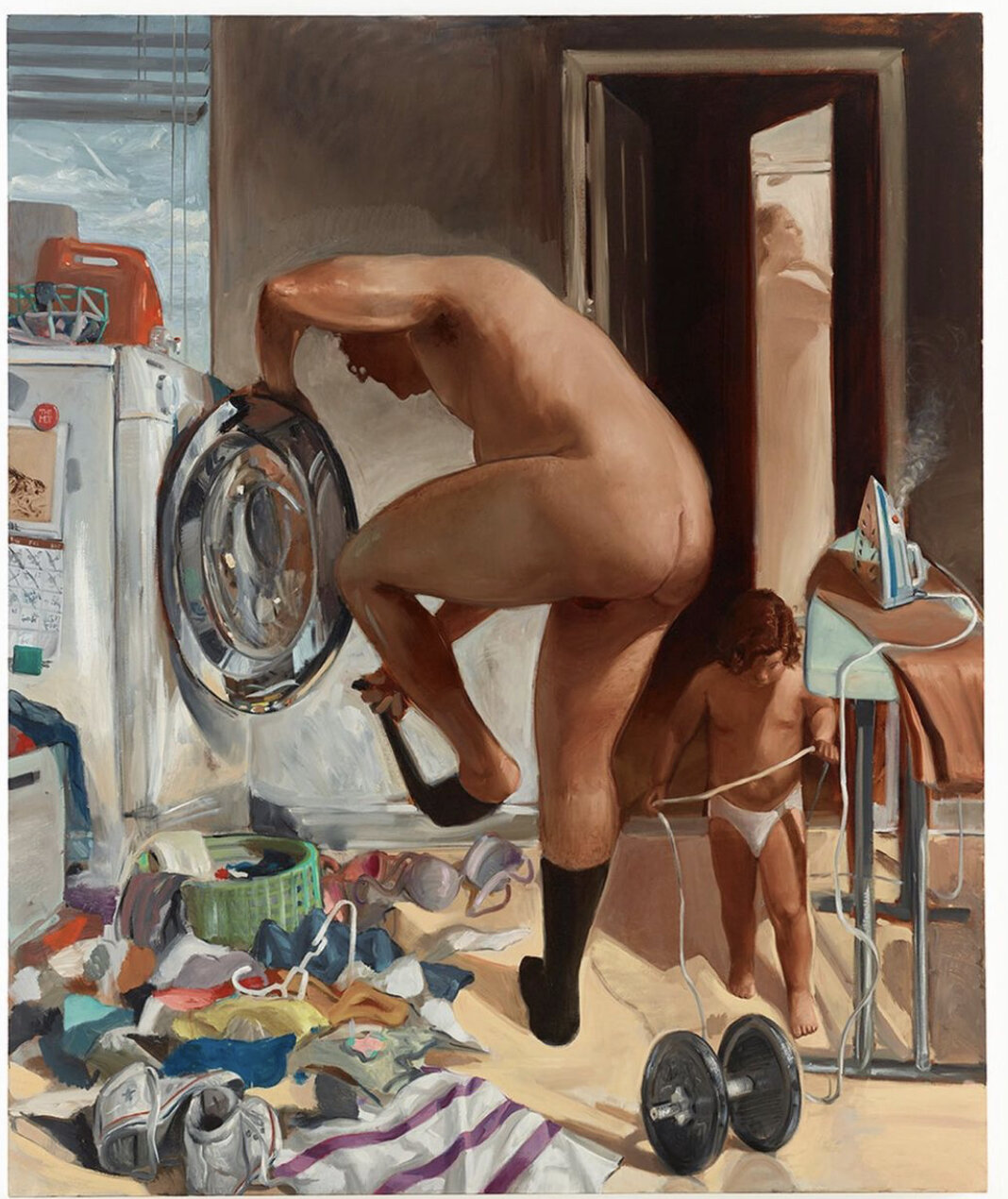
Private settings - Amanda Oleander and Larry Madrigal

I have to say that I myself got into abstract art and it nowadays draws my attention the most. I know that it is “conformist of me” to love Fontana… But who knows, maybe I will fall out of love. It’s very me* to worship someone when I am in love with them but lose interest if they disappoint me. With artists it doesn’t happen often though…because… how can Lucio disappoint me? Anyways, he should be in another note - this note is not at all about him.

It’s sort of out nowadays to depict figures in private spaces, which I have an interest for, and Degas’ pastels is an example of that. I have been following Amanda’s art for quite a bit, I like that it is weird in a way, but realistic at the same time, cute as well, and a lot of other things. Great drawings.

Amanda Oleander

Amanda Oleander

Amanda Oleander

Amanda Oleander

Amanda Oleander

Amanda Oleander

Amanda Oleander

Amanda Oleander

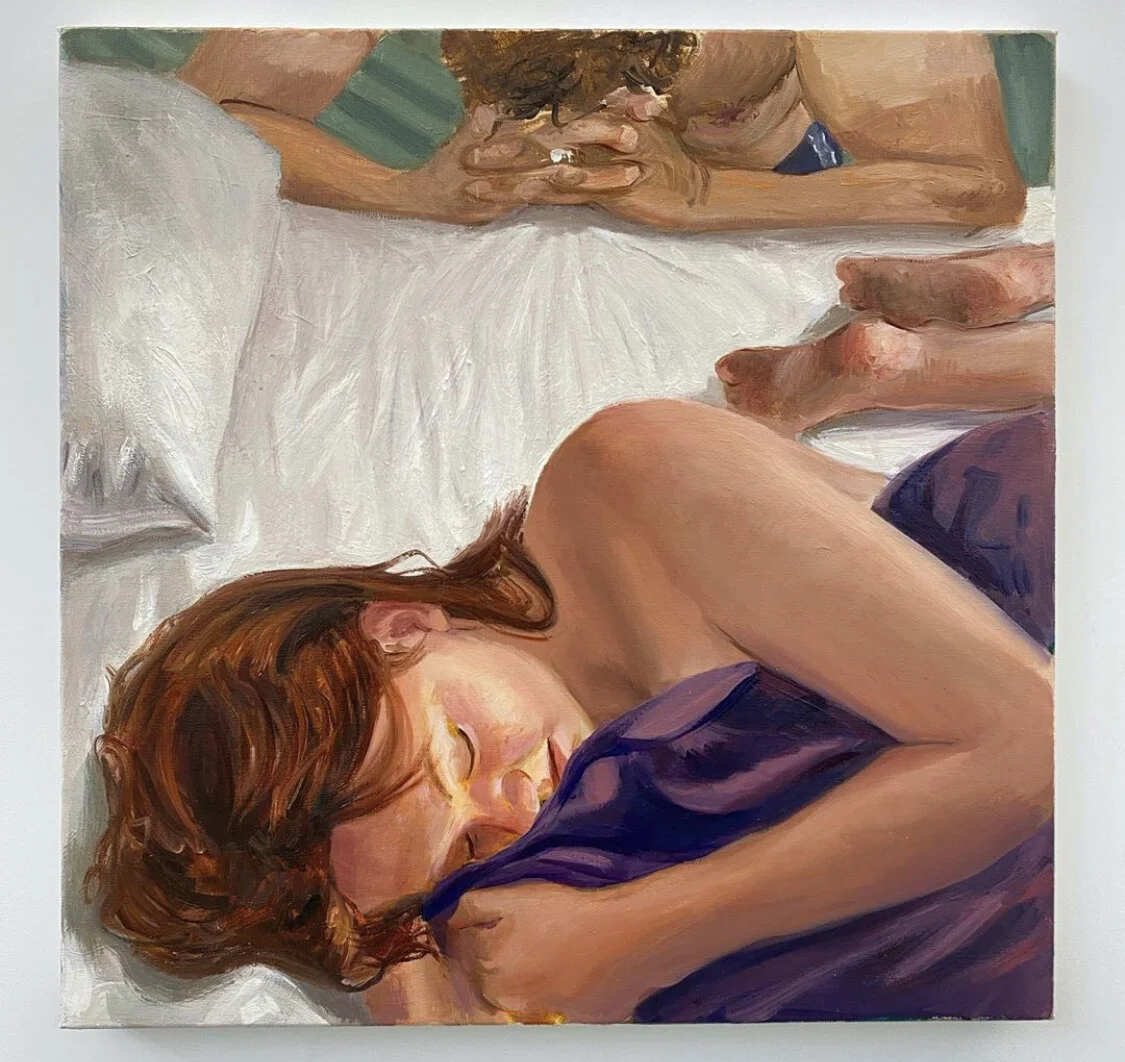
A very surprising discovery, however, was Larry. Because he is a man. For a male artist it seems unusual to work with private spaces and the subject matter of relationships and family household. I love it. It is exiting, touching, sexual. I was scrolling through his feed for a while and really enjoyed what I saw.

Larry Madrigal

Larry Madrigal

Larry Madrigal

Larry Madrigal

Larry Madrigal

Larry Madrigal

Larry Madrigal

Larry Madrigal

*Very me - casual expression that describes emotional behavior that changes all the time

Creepy Degas. Notes from outside of the bell jar

So, about the exhibit I want to feature in The Notes….

He wasn’t only into depicting ballerinas. He was into a bunch of other activities and women. This is a great exhibit that shows a variety of Degas’ experimental techniques, subject matters and mediums. I wasn’t crazy about him before I saw this exhibition. Well, I didn’t see it, I took a virtual tour. The show was closed two weeks after it started because of the virus. It really would have been worth going to Washington DC to see it.

Here are the points I want to mention first to give some context:

1.    This is  organized by the National Gallery of Art, Washington, and the Musées d'Orsay et de l'Orangerie, Paris

2.     The opera house that Degas depicted was the Paris Opera 

3.     Music was a lifelong passion for Degas. He grew up raised in a family with a strong appreciation for musical performance. For years his father, Auguste De Gas, hosted weekly musical salons at which amateurs and professionals alike sang and played instruments. Degas was an admirer of the composer Christoph Willibald Gluck. He was also friends with Wolfgang Amadeus Mozart and Johann Sebastian Bach also ranked high in Degas’s esteem, and he counted several contemporary composers among his friends and acquaintances including Charles Gounod and Ernest Reyer. 

4. Between 1885 and 1892 he spent 177 evenings in the opera. Quite a few

Let’s go

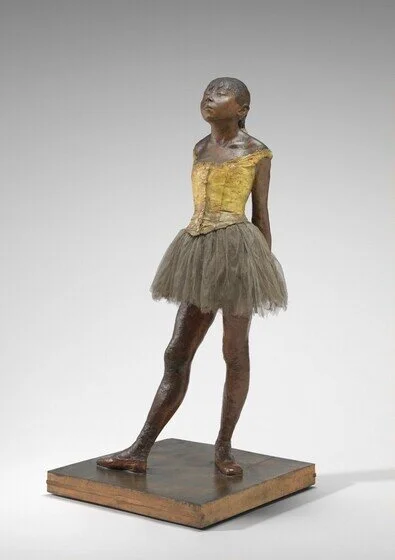
Little Dancer Aged Fourteen, 1878-1881, pigmented beeswax, clay, metal armature, rope, paintbrushes, human hair, silk and linen ribbon, cotton faille bodice, cotton and silk tutu, linen slippers, on wooden base, 39 in.Collection of Mr. and Mrs. Paul…

Little Dancer Aged Fourteen, 1878-1881, pigmented beeswax, clay, metal armature, rope, paintbrushes, human hair, silk and linen ribbon, cotton faille bodice, cotton and silk tutu, linen slippers, on wooden base, 39 in.Collection of Mr. and Mrs. Paul Mellon, 1999.80.28

This is creepy. It was made with real human hair, ballet tutu and wax. The sculpture is an icon – one of the most famous sculptures in the world. It received a lot of critique in the 19th century for being too real, even ugly. The material was not as sophisticated, such as marble or bronze. The model for this sculpture was a young 14 year old dancer named Marie Van Gotham. She was from a working class family, who was excluded from the theatre for missing rehearsals.

 
Portrait of Rose Caron, c. 1892, oil on canvas, 30 x 32 1/2 in. Collection Albright-Knox Art Gallery, Buffalo, New York, Charles Clifton, Charles W. Goodyear and Elisabeth H. Gates Funds, 1943

Portrait of Rose Caron, c. 1892, oil on canvas, 30 x 32 1/2 in. Collection Albright-Knox Art Gallery, Buffalo, New York, Charles Clifton, Charles W. Goodyear and Elisabeth H. Gates Funds, 1943

What is noteworthy about this one is that Rose Caron was his favorite performer. She had a part in the opera Sigurd.  Degas, wrote a sonnet to her beginning with the words “ These arms noble and long” He admitted he was in love with Rose Caron. Critics honored Rose Caron as the tearless tragic actress, but others were less excited about her voice which was once referred to as wounded.  Degas admitted he was in love with Rose Caron .That is why he attended the opera Sigurd 37 times  

 
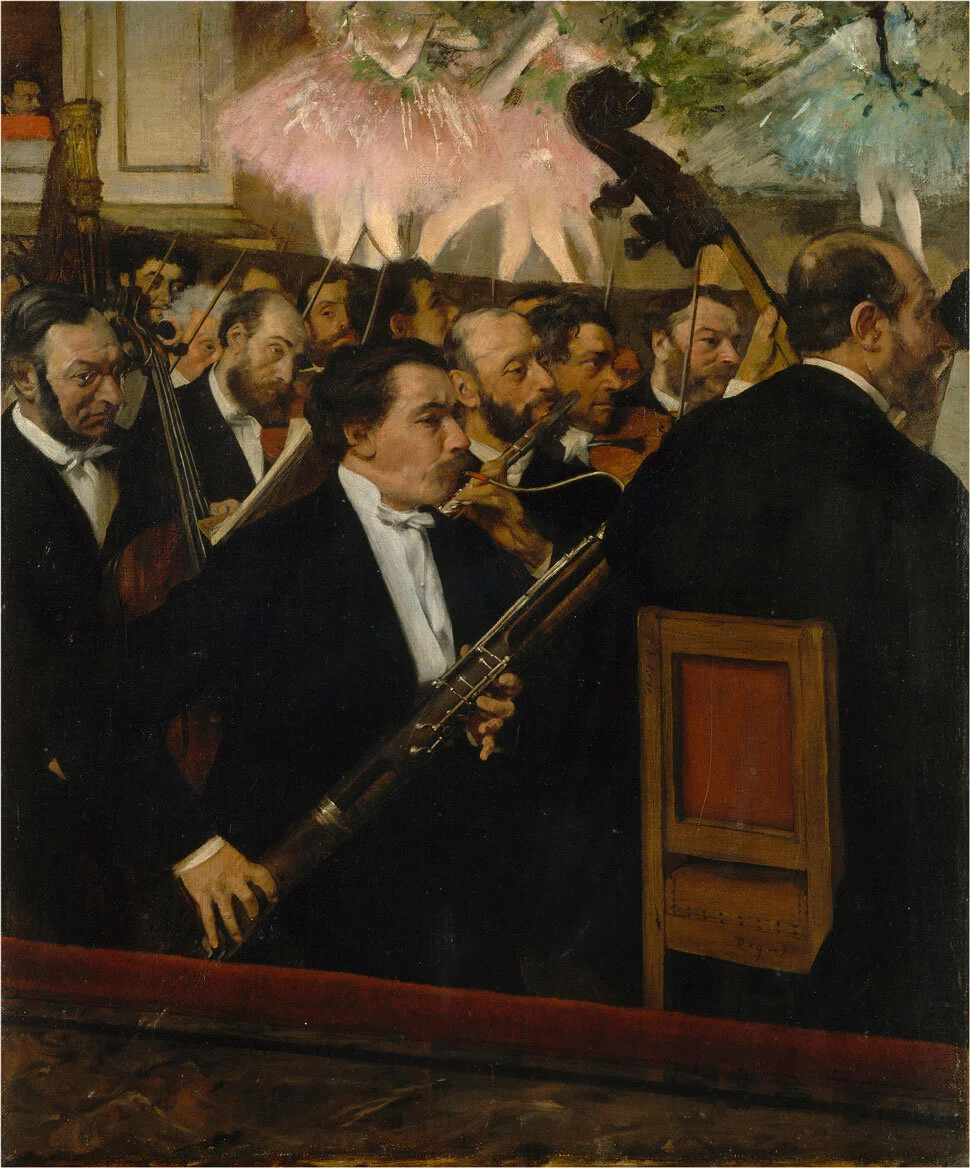
The Orchestra of the Opéra, 1870, oil on canvas, 22 1/5 × 18 1/10 in. Musée d’Orsay, Paris

The Orchestra of the Opéra, 1870, oil on canvas, 22 1/5 × 18 1/10 in. Musée d’Orsay, Paris

This work is quite notable: It doesn’t depict actual reality. Degas took a very unconventional approach to depict his friend, Désiré Dihau (the musician in the front row center of Degas’s The Orchestra at the Opéra), showing him at his workplace. The dancers in the background are cut off – the attention of the viewer is focused on Désiré Dihau. Composition however is pure fiction - in reality there would have been four bassoonist, not one, seated with the  instruments behind the string section, their backs would have been turned to the audience as they face the conductor at the edge of the stage, Degas did drawings of individual elements, all allowing his creativity to construct to scene that feels very real that exalts in the reality of the implied image without actually ever being a true that the true even that Degas saw. The imagery of the Opera depicted by Degas is derived from his mind. 19th century audiences might have recognized other figures from the Parisian music scene. In the theatre box - composer Emmanuel Chabrier. The man with the glasses on the left - Louis -Marie Pilet 

 
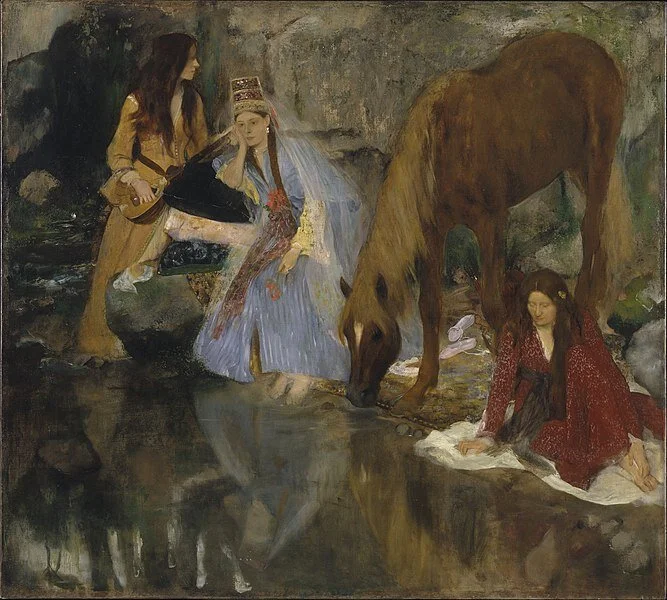
Portrait of Eugénie Fiocre a propose of the Ballet “La Source,” 1867–1868, oil on canvas, 63 x 69 x 6 1/4 in. Brooklyn Museum

Portrait of Eugénie Fiocre a propose of the Ballet “La Source,” 1867–1868, oil on canvas, 63 x 69 x 6 1/4 in. Brooklyn Museum

The only detail that indicates that this is actually a ballet scene is those pink ballet shoes between the legs of the house( hmm yeah they had a real horse on stage) . This is however not the act itself, they are in the break, because the actresses are resting. Shows women down to earth and approachable. Here we see Degas’ novel approach: this is part portrait, part genre scene, part historical scene. Bravo

 
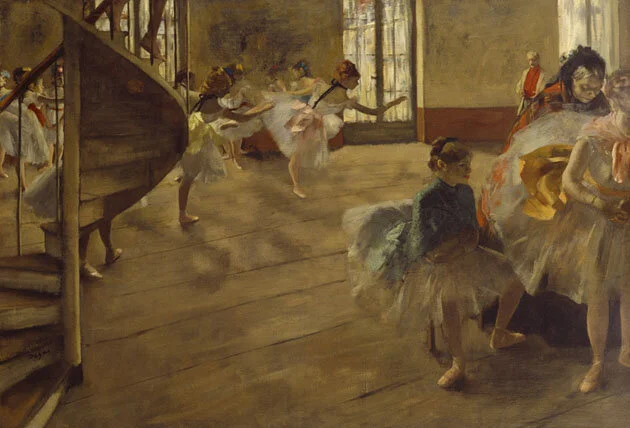
Practicing in the Rehearsal Room 1873-1875, oil on canvas, 16 x 21 1/2 in. Phillips Collection

Practicing in the Rehearsal Room 1873-1875, oil on canvas, 16 x 21 1/2 in. Phillips Collection

Not a real dance studio – another example of how Degas directed his paintings – there would never be a staircase in a dance studio. There was one his studio though. That’s how we know - he invited dancers and models to pose for the painting. Busted

 
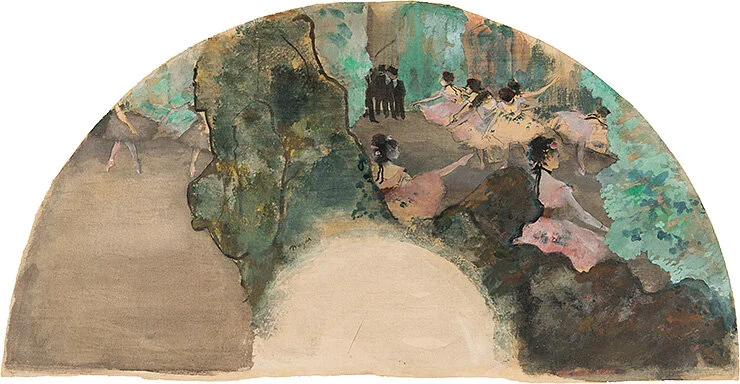
Fan Ballet, Gouache on Silk, 1989 Musée d’Orsay, Paris

Fan Ballet, Gouache on Silk, 1989 Musée d’Orsay, Paris

 
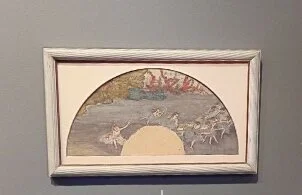
Fan Dancers with Double Basses,1879, pastel, black chalk and ink wash on paper, Kristy Stubbs Gallery, Dallas

Fan Dancers with Double Basses,1879, pastel, black chalk and ink wash on paper, Kristy Stubbs Gallery, Dallas

 
8.png

Didn’t expect that did you?

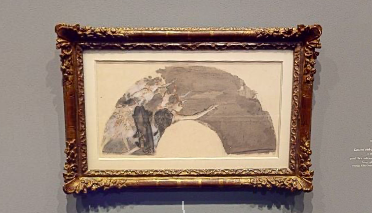
The exhibition has a rare collection of fans depicting opera performances . Degas made only 27 of those, including those which were sold. The gallery presents the largest collection of Degas’s fans ever exhibited - 8 pieces. These fans were made to be framed and hang, not to be used. Degas used mixed media to make them - a combination of ink,watercolor, pastel, charcoal, cotton, fabric, silk, metallic paint. These fans reflect Degas’s influence by japanese art.

To be continued. I am going to look through some other virtual stuff

ACID

‘Do you know what our problem is, Sasha? The fact that we have no problems’ (ACID)

I wish I wrote this earlier, right after I got back from the screening and the memory was fresh. But I got distracted. 

This film is directed by a young 27 year old actor turned director and scripted by Valery Pecheykin. It touched me. Deeply. 

      Watching this film, I felt like I was taken back to my high school years, which was pretty intense time for me. Not being aware of my issues, I remember getting into all sorts of trouble. Just to give you an idea, I attended my prom with my face half purple because I fell on it while wasted a couple of weeks before. Though the main characters in the movie are male and by a couple of years older than the time I took from my biography, the motifs of being lonely, disconnected and misunderstood brought me back to that time when I lived with my parents back in Russia.

   ‘It didn’t make any sense to me, why you were acting that way. You are a girl, and this usually what guys go through. I had no idea why this was going on ’ says my mum. The film depicts major issues that are common in Russia - not having a father, young people committing suicide, feeling deadlocked. 

    In a nutshell, the narrative is about a few young guys, who are somewhat creative (sculptor and two musicians), and one would say belong to that ‘hipster’ ‘millennial’ category. The setting is unclear on purpose, but reminds me of Moscow suburbs where I grew up. The script is multi layered, so ‘Acid’ here is a bottle of actual hazardous acid that appeared in the film multiple times is symbolical - one of the characters, Pete, attempts to drink it, sometimes shakes it in his hand from time to time, probably having suicidal thoughts. The second interpretation is, of course, a psychedelic drug. Some scenes have that ‘trippy’/dreamy feel to them. What is touched me is that the film is penetrated with the motifs of alcohol and drug use, unhealthy intimacy and suicide, and it is shown very explicitly and intensely. What fascinates me about this movie, is that it is tense, melodramatic, realistic, raw (everything I like) and kind of surrealistic at the same time (that ‘Acid’ did the job). 

     Though the movie is about people like me, born in post Soviet time, in essence, it’s creators built a very clear picture of urban youth and it’s issues that are common in whole Western society. The film is a worthwhile watch.

Art Basel Adventures

Art Week was fun. I went to all the fairs within the first two days and then just came back to a couple. Well, yeah yeah yeah, just to get out of the way, there are parties. Went to some events, nothing special. Really partied one night - Thursday. A bunch of things, ended up at Soho Beach house (cool place btw, never went before) , then 11, then some other very cool party. Happy to be surrounded by two of my friends that I love. I party ones, but give it a hundred percent.

Every time I go to a fair as big as this I discover one thing - I don’t know my taste. I always end up falling in love with something I never thought was even my ‘cup of tea’

Here I would like to share some great pieces I am crazy about. All from Art Basel (main fair)

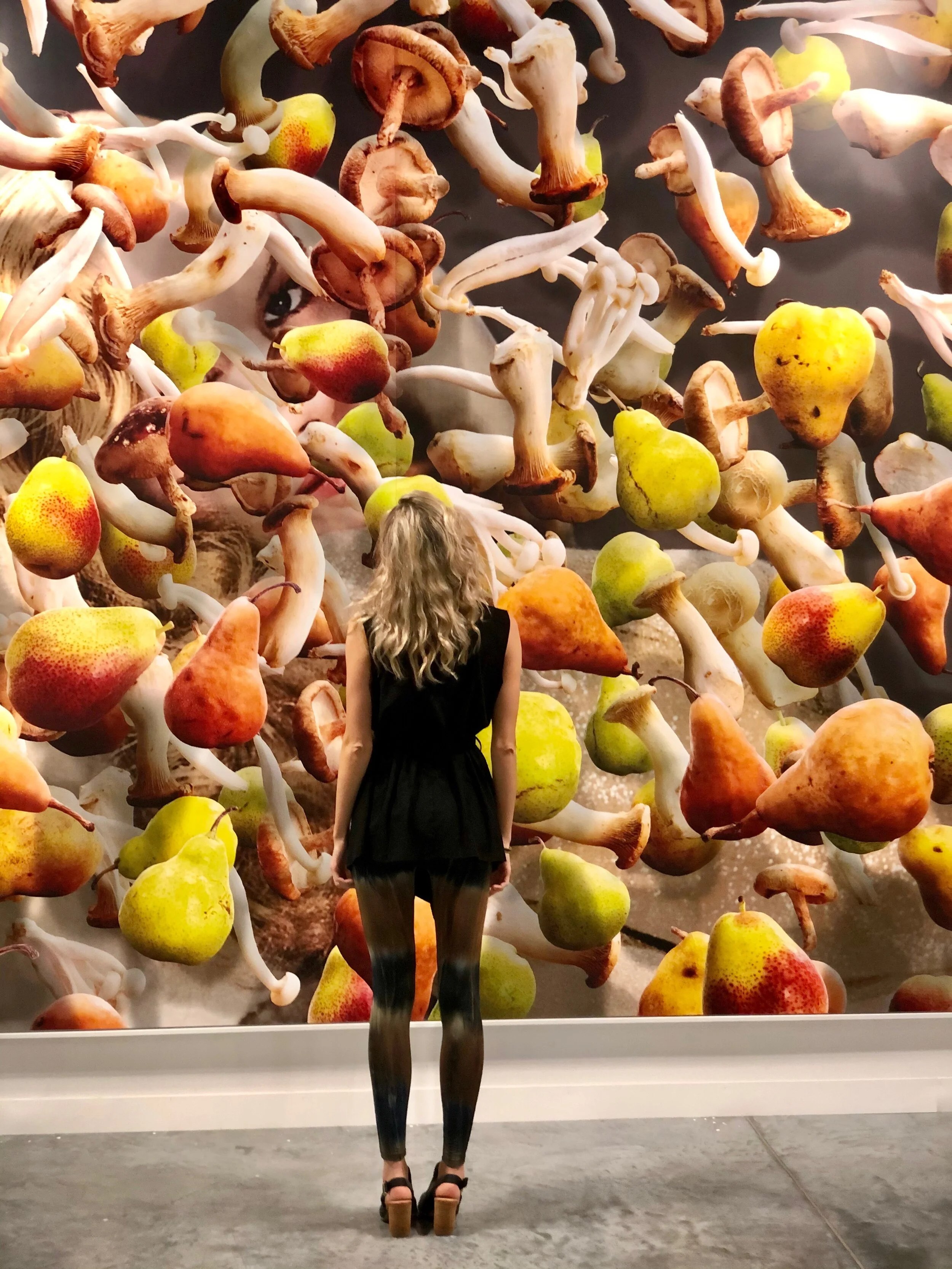
Urs Fischer

Limbo, 2019

Urs Fischer Limbo 2019.JPG

This is me staring at this photo collage. I think I could do it for hours. My vibe for sure - dreamy trippy. And the pears and mushrooms look delicious.. After a few few seconds of looking at the picture you notice a woman’s face behind the shrooms. I suppose this was an easy sale.

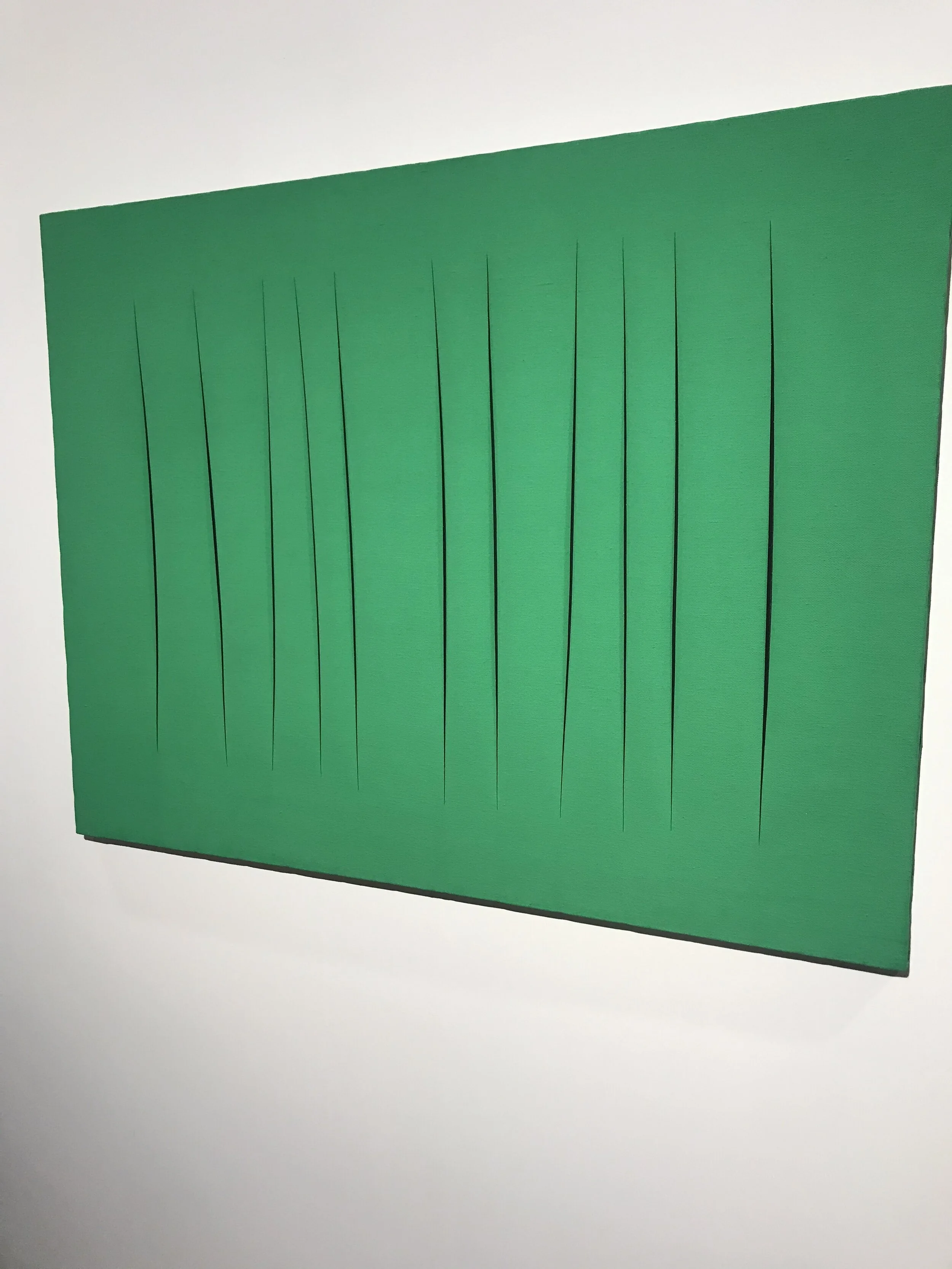
Lucio Fontana

Concetto Spanziale, Atesse, 1964

Water Based Paint on canvas

Lucio Fontana Concetto Spanziale,Atesse,1964 water based paint on canvas .jpg

Magnificent. Just canvas, but looks almost like it’s a clay sculpture/ fresco. And so light at the same time. Love it

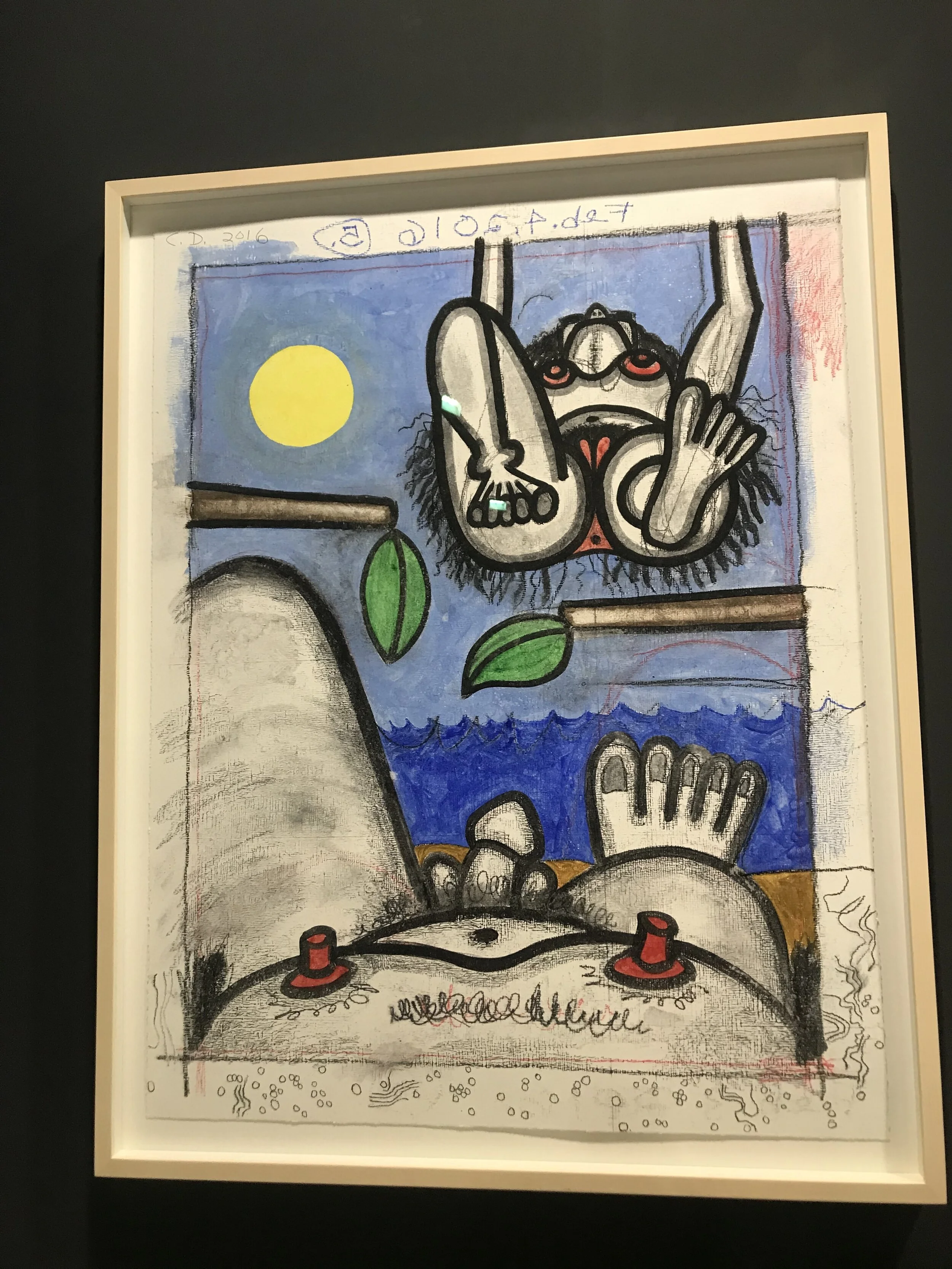
Carrol Dunham

Monotype in Watercolor and Pencil, 2016

Carrol Dunham monotype in watercolor and pencil 2016 pg.jpg

Well, I love him. I featured him before and he is an absolute talent without a doubt. Here I would just like to quote him: ‘Painting is a relatively recently manifestation of humanity's ancient effort to understand and exploit pictorial space generally understood to consist of sheets of colored paste spread manually across primarily rectilinear planar supports embodying illusionistic or quasi-narrative properties although each of the previous characteristics have been challenged and contradicted to great theoretical and expressive effect without the loss of basic categorical integrity testimony to paintings nature as both bounded and infinite and its ability to absorb apparently conflicting attitudes on the part of its creators. Painting operates at the nexus of intersubjective experience and consensual reality relying on both for its subject matter while remaining stubbornly self-referential, and its content extends into the areas we call psychological social, material (in both the philosophical and economic senses of the word) and—for the lack of a better term—spiritual giving it unusual utility as a tool for studying the evolution of the self of socio-cultural systems and of the complex reciprocities between the two, strikingly manifest within the apparent disconnect within paintings dual nature as a repository of capital and a facilitator of profound contemplation, a perfect storm of the crass, the sacred and the intimately personal.’

Chloe Chiasson Falling on Deaf Ears,

Acrylic,Oil,Charcoal,Glitter and Archival Print on Canvas

2019

Chloe Chiasson  Falling on Deaf Ears, acrylic,oil,charcoal,glitter and archival print on canvas.jpg

This painting is by a new talent at New York Academy of Art. It is fantastic. Great technique, and this mixed media gave it so so much depth and surrealism. You can almost hear the whisper. Loved everything about it.

Art at Burning Man 2019

This year was just great. Here are some (not everything is here!) of my favorite art pieces this year. *The order is absolutely random. This is not a ranking *

Chris Carnabuci

Mariposita

bm4 .jpg

Michael Benisty

Broken but together

BM 5.jpg

Alien Creature

*Don’t know the name of the artist*

bm 1.jpg

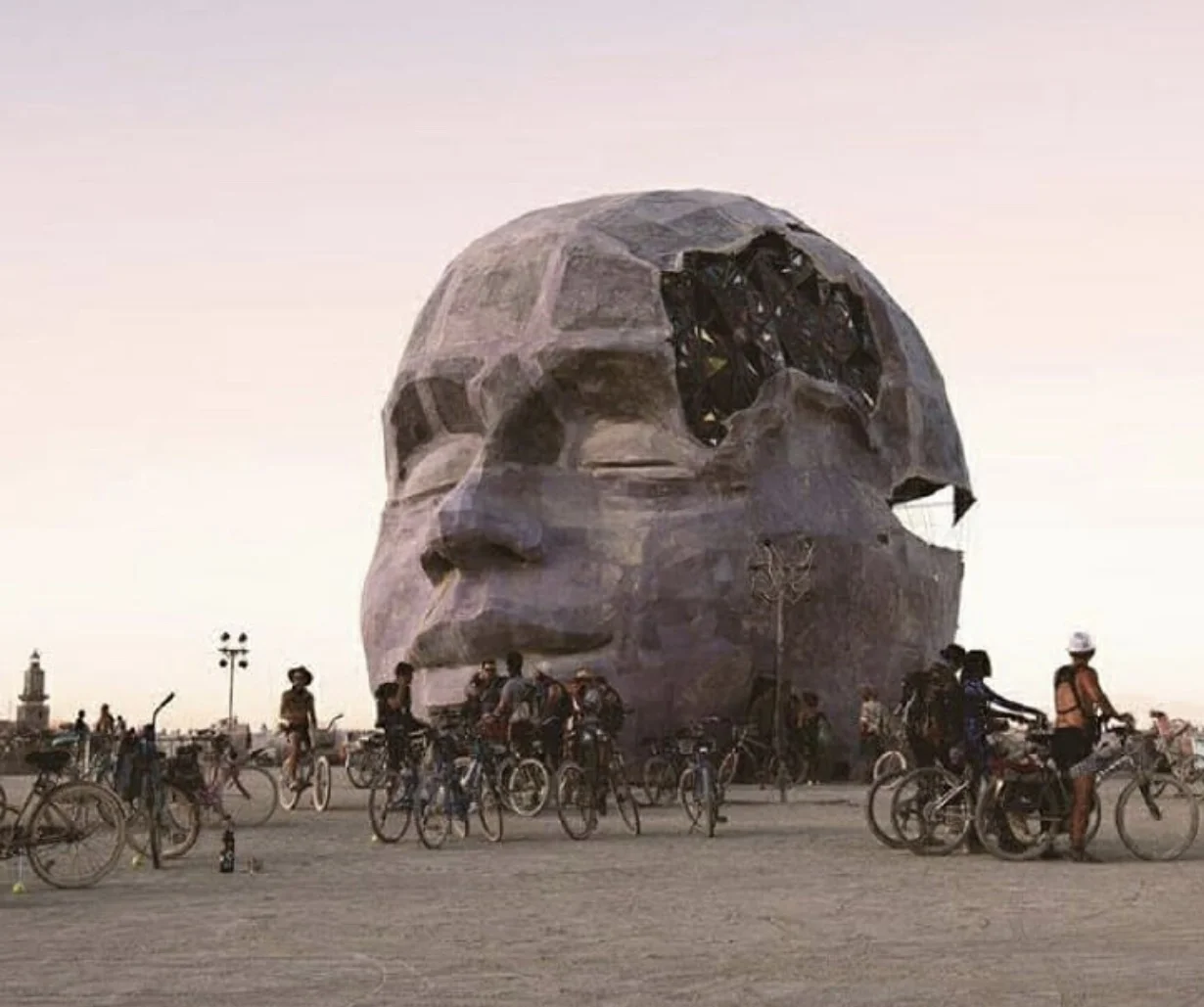
Matthew Shultz

The head maze

bm2 .jpg

Michael Tsaturyan

Slonik

bm3 .jpg

How do you smuggle daydreams into reality?

My good friend taught me a very useful exercise.

Well, I am a mess. It’s literally impossible to plan anything with me, as I have no plans in life. ‘Write down everything you want’ - she said. ‘If you just write it down, you will see that you do have a plan, it is important to have it in front of you, visually.’

I never though of it that way. But I did what she suggested. I took a pink piece of paper ( because I like pink color) and started writing. So many things came up. I realized I have quite a few goals in life. So I got pretty busy over the last few weeks. Now I wonder: Why? How come I didn’t know I want all those things before?

So…. Here is why:

If you imagine there is nothing. Nothing in between you and your dream/desire/wish? It is just a piece of paper, and you can write down anything you want - no obligation, no need to go and do it right this second. Then there is no fear or belief that you don’t deserve it or you are not good enough( strong/talented/young etc). Once you write it down, it’s all right here, in front of you, and achievable.

Writing it down makes you do it.

161222184418-maladaptive-daydreaming-2-exlarge-169.jpg

Armory

‘The true work of art is but a shadow of the divine perfection.’

Michelangelo

I have to say I loved Armory Show this year. Went there two times.

Looking at great art however sometimes makes me anxious. There is just almost too much talent all concentrated in one space and every artist deserves the glory. Greatest reward for an artist is when people buy their work.

I really tried to pick only one favorite piece in the whole show, but only managed to narrow it down to three. There was so many more though… Anyways, check those out, I am putting the names of the galleries where these pieces are at.

1.

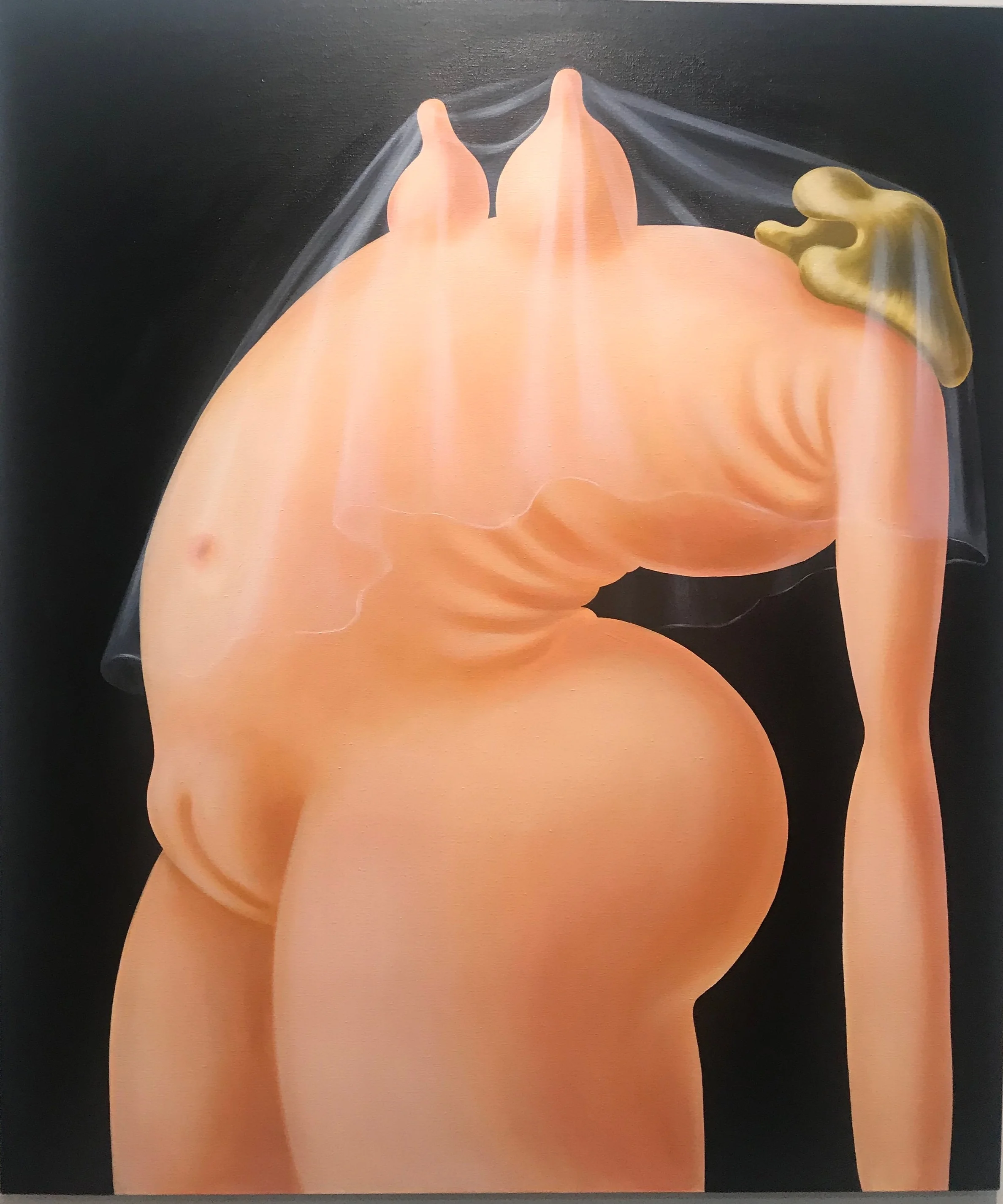
Louise Bonnet

Arched Back Veiled Nude,2019

Oil on Linen

Nino Mier Gallery

piece+1+.jpg

Oh my. Really. This painting is absolutely captivating. Truly ‘My’ piece. So emotional and intense. Look at its curvaceous shapes, exaggerated proportions… make it so surrealistically feminine, intimate. This creature has so much character, though it’s lacking head and eyes. Its subtle colors create this feeling of mystery, like an illustration for some Dutch fairytale. This one figure opens up full artists’ universe.

2.

Jaume Plensa

Invisible Anna, 2016

Stainless steel

piece 2 .jpg

This sculpture is is quite big (63 x 40.2 x 41.3 in) and it is literally flying in the air. It is so delicate, light . Intellectual piece. These thin steel bars are So ephemeral, weightless. Felt almost like a product of imagination, really ‘invisible’.

3.

Carrol Dunham

Untitled,2011

Monotype in watercolor and pencil o Lanaquarelle paper

piece 3.jpg

It is easy to recognize his artwork. The composition is phenomenal. Really. Love everything about this piece, that it’s so rough, muscular. So intense. Aggressive but not violent, just right on the edge. Explicit, but not particularly sexual… Very unique matrix of space. Exceptional by remarkable artist.